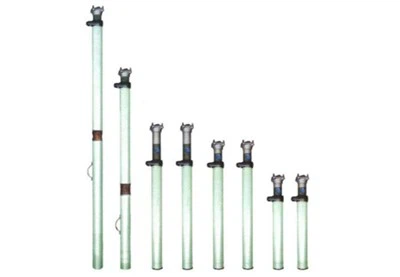

Hey there! As a supplier of Suspended Hydraulic Props, I've seen firsthand the importance of optimizing the hydraulic circuit. In this blog post, I'll share some tips and tricks on how to do just that.
First off, let's talk about what a hydraulic circuit is. In simple terms, it's a system of pipes, valves, and pumps that work together to move hydraulic fluid and generate force. For a Suspended Hydraulic Prop, the hydraulic circuit is responsible for extending and retracting the prop, as well as maintaining its pressure.
Now, why is it important to optimize the hydraulic circuit? Well, a well - optimized circuit can improve the performance, efficiency, and reliability of the Suspended Hydraulic Prop. It can also reduce maintenance costs and downtime, which is crucial in the mining and construction industries where these props are commonly used.
1. Component Selection
One of the first steps in optimizing the hydraulic circuit is choosing the right components. You need to select high - quality pumps, valves, and hoses that are suitable for the specific requirements of your Suspended Hydraulic Prop.
- Pumps: The pump is the heart of the hydraulic circuit. It's responsible for generating the pressure needed to move the hydraulic fluid. When choosing a pump, you need to consider factors such as flow rate, pressure rating, and efficiency. A pump with a higher flow rate can extend and retract the prop more quickly, but it may also consume more energy. On the other hand, a pump with a higher pressure rating can handle heavier loads but may be more expensive. You can check out Mining Single Suspension Type Hydraulic Supporting Prop to get an idea of the kind of components used in these systems.
- Valves: Valves control the flow and direction of the hydraulic fluid. There are different types of valves, such as check valves, relief valves, and directional control valves. Check valves prevent the backflow of fluid, relief valves protect the system from over - pressure, and directional control valves determine the direction of fluid flow. Make sure to choose valves that are durable and have a high flow capacity.
- Hoses: Hoses are used to connect the different components of the hydraulic circuit. They need to be able to withstand high pressures and abrasion. Look for hoses with a high burst pressure and good flexibility. Poor - quality hoses can lead to leaks, which can not only reduce the efficiency of the circuit but also pose a safety hazard.
2. Pressure Regulation
Proper pressure regulation is essential for the optimal performance of the hydraulic circuit. If the pressure is too high, it can cause damage to the components, such as bursting hoses or overloading the pump. If the pressure is too low, the prop may not be able to support the required load.
- Relief Valves: As mentioned earlier, relief valves play a crucial role in pressure regulation. They are set to open at a specific pressure, allowing excess fluid to flow back to the reservoir. Make sure to set the relief valve pressure correctly according to the design requirements of the Suspended Hydraulic Prop.
- Pressure Gauges: Installing pressure gauges in the hydraulic circuit can help you monitor the pressure levels. This allows you to detect any abnormal pressure changes early and take corrective action. Regularly check the pressure gauges to ensure that the system is operating within the safe pressure range.
3. Fluid Management
The hydraulic fluid is another important aspect of the hydraulic circuit. It not only transfers power but also lubricates and cools the components.
- Fluid Quality: Use high - quality hydraulic fluid that is compatible with the components of the circuit. The fluid should have good viscosity, anti - wear properties, and oxidation resistance. Contaminated or degraded fluid can cause damage to the components and reduce the efficiency of the circuit.
- Fluid Level: Maintain the proper fluid level in the reservoir. A low fluid level can cause the pump to cavitate, which can damage the pump and reduce its performance. On the other hand, an over - filled reservoir can lead to foaming, which can also affect the performance of the circuit.
- Filtration: Install filters in the hydraulic circuit to remove contaminants from the fluid. Filters can prevent dirt, debris, and metal particles from entering the components, which can extend their lifespan and improve the reliability of the system.
4. Circuit Design
The design of the hydraulic circuit can also have a significant impact on its performance.
- Minimize Pipe Length and Bends: Long pipes and sharp bends can increase the resistance to fluid flow, which can reduce the efficiency of the circuit. Try to keep the pipe length as short as possible and use smooth bends to minimize pressure losses.
- Proper Layout: Arrange the components in a logical and compact manner. This not only makes the circuit easier to install and maintain but also reduces the chances of fluid leakage. A well - designed layout can also improve the accessibility of the components for inspection and repair.
5. Regular Maintenance
Regular maintenance is key to keeping the hydraulic circuit in good working condition.
- Inspection: Regularly inspect the components of the hydraulic circuit for signs of wear, damage, or leaks. Check the hoses for cracks, the valves for proper operation, and the pump for any unusual noises or vibrations. Early detection of problems can prevent more serious damage and costly repairs.
- Fluid Change: Change the hydraulic fluid at regular intervals according to the manufacturer's recommendations. Over time, the fluid can degrade and become contaminated, which can affect the performance of the circuit.
- Lubrication: Some components of the hydraulic circuit, such as the pump and valves, may require lubrication. Make sure to use the appropriate lubricant and follow the lubrication schedule.
6. System Testing
After making any changes to the hydraulic circuit or during the initial installation, it's important to test the system.


- Function Testing: Test the operation of the Suspended Hydraulic Prop to ensure that it can extend and retract smoothly and hold the required load. Check the response time of the prop and make sure that it meets the design specifications.
- Pressure Testing: Conduct pressure tests to verify that the pressure regulation is working correctly. This can help you identify any pressure - related issues, such as leaks or incorrect relief valve settings.
In conclusion, optimizing the hydraulic circuit of a Suspended Hydraulic Prop is a multi - faceted process that involves component selection, pressure regulation, fluid management, circuit design, regular maintenance, and system testing. By following these steps, you can improve the performance, efficiency, and reliability of your Suspended Hydraulic Prop.
If you're in the market for a Mining Suspension Type Hydraulic Prop or Suspension Hydraulic Prop and want to learn more about how we can optimize the hydraulic circuit for your specific needs, don't hesitate to reach out. We're here to help you get the most out of your hydraulic system.
References
- Fluid Power Handbook, various editions
- Manufacturer's manuals for hydraulic components
- Industry standards for hydraulic systems in mining and construction
So, if you're interested in discussing your requirements for Suspended Hydraulic Props and how we can optimize the hydraulic circuits, feel free to start a conversation. We look forward to working with you to find the best solutions for your projects.