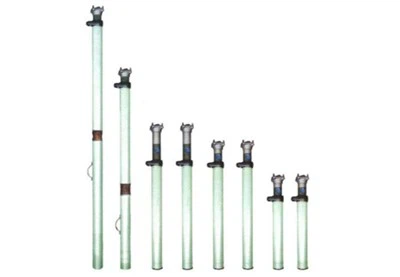

Hey there! I'm a supplier of Metal Long Beams, and I've seen my fair share of issues when it comes to these long, metal structures. One of the most common problems that many of my customers face is beam buckling. Buckling can be a real headache, leading to structural failures and costly repairs. So, in this blog post, I'm gonna share some tips on how to prevent a metal long beam from buckling.
First off, let's understand what buckling is. Buckling occurs when a beam is under compressive stress, and instead of simply shortening, it starts to bend or buckle out of shape. This can happen due to a variety of reasons, such as improper design, excessive load, or poor installation. To prevent buckling, we need to address these factors head - on.
Proper Design
The design of the Metal Long Beam is crucial in preventing buckling. When designing a beam, we need to consider its length, cross - sectional shape, and material properties.
Length Matters
The longer the beam, the more prone it is to buckling. As a rule of thumb, the critical buckling load is inversely proportional to the square of the beam's length. So, if you can reduce the effective length of the beam, you can significantly increase its buckling resistance. One way to do this is by adding intermediate supports. For example, if you have a really long Metal Long Beam spanning across a large area, you can add columns or braces at regular intervals. This divides the beam into shorter segments, each with a lower risk of buckling. You can learn more about different types of Metal Long Beams on our website: Metal Long Beam.
Cross - Sectional Shape
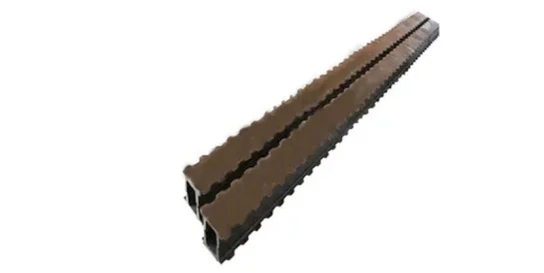
The shape of the beam's cross - section also plays a vital role. Beams with a larger moment of inertia about the axis of bending are more resistant to buckling. For instance, an I - beam has a higher moment of inertia compared to a rectangular beam of the same cross - sectional area. The flanges of the I - beam are located far from the neutral axis, which increases the beam's resistance to bending and buckling. We offer Double Hole and Double Wedge Top Beam and Double Wedge Top Beam DJBS, which are designed with optimized cross - sectional shapes to enhance their buckling resistance.
Material Selection
Choosing the right material is essential. Metals with high yield strength and modulus of elasticity are better at resisting buckling. Steel is a popular choice for Metal Long Beams because it has a high strength - to - weight ratio and good ductility. When selecting the material, make sure to consider the environmental conditions the beam will be exposed to. For example, if the beam will be in a corrosive environment, you might want to choose a stainless steel or a coated steel to prevent rust and degradation, which can weaken the beam over time.
Load Management
Another important aspect of preventing beam buckling is managing the loads on the beam.
Avoid Overloading
It's crucial not to exceed the beam's design load capacity. Before installing a Metal Long Beam, calculate the maximum load it will need to support, including dead loads (the weight of the beam itself and any permanent attachments) and live loads (such as people, equipment, or wind loads). Make sure to factor in any potential dynamic loads, like vibrations or impacts. If you're unsure about the load calculations, it's a good idea to consult with a structural engineer.
Distribute Loads Evenly
Unevenly distributed loads can cause localized stress concentrations, increasing the risk of buckling. Try to distribute the loads as evenly as possible across the length of the beam. For example, if you're placing heavy equipment on a beam, use a spreader plate to distribute the load over a larger area.
Installation and Support
Proper installation and support are key to preventing buckling.
Correct Installation
During installation, make sure the beam is properly aligned and level. Any misalignment can introduce additional bending moments, which can lead to buckling. Use the right fasteners and connection methods to ensure a secure and rigid connection between the beam and its supports.
Adequate Support
The type and location of supports are critical. Fixed supports provide more restraint compared to simply supported or free - end supports. A fixed support prevents both translation and rotation at the end of the beam, increasing its buckling resistance. However, make sure the supports are strong enough to handle the loads and reactions from the beam.

Maintenance
Regular maintenance is necessary to keep the Metal Long Beam in good condition and prevent buckling.
Inspections
Perform regular inspections to check for signs of damage, such as cracks, corrosion, or deformation. Early detection of these issues can allow you to take corrective actions before they lead to buckling. Look for any signs of rust, especially in areas where the protective coating may have been damaged.
Repairs and Replacements
If you find any damage during an inspection, make the necessary repairs or replacements promptly. For minor corrosion, you can clean and repaint the affected area. For more severe damage, such as a cracked beam, it may be necessary to replace the entire beam.
In conclusion, preventing a metal long beam from buckling requires a combination of proper design, load management, installation, and maintenance. By following these tips, you can ensure the safety and longevity of your Metal Long Beams.
If you're in the market for high - quality Metal Long Beams or have any questions about preventing buckling, feel free to reach out to us. We're here to help you make the right choices for your project.
References
- "Mechanics of Materials" by Ferdinand P. Beer, E. Russell Johnston Jr., John T. DeWolf, and David F. Mazurek.
- "Structural Steel Design" by William T. Segui.