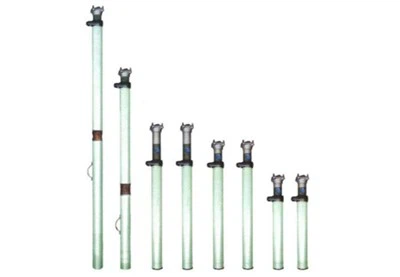

Using an Acrow Prop hydraulic jack in a multi - stage lifting process requires a comprehensive understanding of the equipment and a well - planned approach. As a supplier of Acrow Prop hydraulic jacks, I'm here to share detailed insights into this process to ensure safe and efficient multi - stage lifting.
Understanding the Acrow Prop Hydraulic Jack
The Acrow Prop hydraulic jack is a reliable and versatile tool widely used in construction, maintenance, and other industries. It operates on the principle of hydraulic pressure, which allows for smooth and controlled lifting. The jack consists of a piston, a cylinder, a hydraulic fluid, and a pump mechanism. When force is applied to the pump, it pushes the hydraulic fluid into the cylinder, causing the piston to rise and lift the load.
One of the key advantages of the Acrow Prop hydraulic jack is its adjustability. It can be extended and retracted to suit different working heights, making it suitable for a variety of lifting tasks. Before starting a multi - stage lifting process, it's essential to select the appropriate Acrow Prop hydraulic jack based on the weight and dimensions of the load. Our Steel Single Hydraulic Acrow Prop Jack is a popular choice due to its high - strength steel construction and reliable performance.
Pre - lift Preparations
Inspection
Before using the Acrow Prop hydraulic jack, a thorough inspection is necessary. Check the jack for any signs of damage, such as cracks in the cylinder, leaks in the hydraulic lines, or worn - out seals. Any damaged or faulty components should be replaced immediately to prevent accidents during the lifting process. Inspect the base and the top plate of the jack to ensure they are flat and in good condition, as uneven surfaces can cause the load to shift.
Load Assessment
Accurately assess the weight of the load. Overloading the jack can lead to catastrophic failure, so it's crucial to stay within the recommended weight capacity of the Acrow Prop hydraulic jack. Consider the distribution of the load as well. Unevenly distributed loads can cause the jack to tip or malfunction. If necessary, use additional support or adjust the load to achieve a more balanced distribution.
Setup Location
Choose a stable and level surface for setting up the jack. A soft or uneven surface can cause the jack to sink or tilt, endangering the entire lifting operation. If the ground is not level, use shims or blocks to create a flat and stable base. Ensure that there is enough space around the jack for easy operation and for the load to be lifted without any obstructions.
Multi - stage Lifting Process
Stage 1: Initial Positioning
Place the Acrow Prop hydraulic jack under the load at the designated lift point. Make sure the top plate of the jack is in full contact with the load surface to prevent slippage. Position the base of the jack firmly on the prepared surface. Before starting the lifting, double - check the alignment of the jack and the load to ensure a straight and stable lift.
Stage 2: Initial Lift
Slowly start the pump of the hydraulic jack to initiate the lifting process. Monitor the load closely to ensure it is rising evenly and smoothly. If the load begins to tilt or shift, stop the lifting immediately and adjust the position of the jack or the load. In this initial stage, only lift the load a small amount, usually just enough to verify the stability of the setup.


Stage 3: Intermediate Lifting
Once the initial lift is successful, continue to pump the jack to raise the load to the next intermediate height. At each intermediate stage, pause the lifting process to re - check the stability of the jack and the load. Inspect the hydraulic connections for any signs of leakage and listen for any abnormal noises from the jack. If you encounter any issues, stop the lifting and troubleshoot the problem.
Stage 4: Final Lift
After reaching the penultimate height, make a final adjustment to ensure the load is at the correct height and position. Slowly continue to pump the jack until the load reaches the desired final height. Once there, carefully secure the load using appropriate support structures to prevent it from falling during the disengagement of the jack.
Safety Considerations in Multi - stage Lifting
Operator Training
Only trained and authorized personnel should operate the Acrow Prop hydraulic jack. Operators should be familiar with the equipment's operating manual, safety procedures, and emergency protocols. Regular training sessions can help operators stay updated on the latest safety practices and handle the equipment effectively.
Use of Safety Equipment
Wear appropriate personal protective equipment (PPE), such as safety glasses, hard hats, and steel - toe boots. Additionally, use safety barriers or warning signs to prevent unauthorized access to the lifting area. In case of a sudden failure of the jack, the PPE can protect the operator from potential injuries.
Monitoring During Lifting
Constantly monitor the lifting process. Use load - monitoring devices if available to ensure that the load remains within the safe working limits of the jack. Watch for any changes in the behavior of the load, such as excessive swaying or tilting, and take immediate action if necessary.
Maintenance of Acrow Prop Hydraulic Jacks
Regular Cleaning
After each use, clean the Acrow Prop hydraulic jack to remove dirt, debris, and any hydraulic fluid spills. Use a mild detergent and a soft cloth to clean the exterior surfaces. Avoid using abrasive materials that can damage the coating of the jack.
Hydraulic Fluid Check
Regularly check the hydraulic fluid level in the jack. If the fluid level is low, add the recommended type of hydraulic fluid. Refer to the equipment's manual for the correct type and amount of fluid. Contaminated or old hydraulic fluid can affect the performance of the jack, so it should be replaced at regular intervals.
Component Inspection
Periodically inspect the components of the jack, such as the piston, seals, and valves. Look for signs of wear, corrosion, or damage. Replace any worn - out or damaged components as soon as possible to maintain the reliability of the jack.
Applications of Acrow Prop Hydraulic Jacks in Different Industries
Construction
In the construction industry, Acrow Prop hydraulic jacks are used for lifting heavy building materials, supporting structures during construction, and adjusting the height of formwork. For example, when constructing high - rise buildings, these jacks can be used to lift and position large pre - cast concrete elements. Our Single Hydraulic Prop is well - suited for a wide range of construction applications.
Mining
In mining operations, Acrow Prop hydraulic jacks play a crucial role in supporting the roof and walls of mine workings. They are used to provide temporary or permanent support during tunneling and excavation. The Hydraulic Props in Longwall Workings are specifically designed to meet the demanding conditions of mining environments.
Contact for Purchase and Consultation
If you are interested in purchasing Acrow Prop hydraulic jacks for your multi - stage lifting needs, or if you have any questions about the products, feel free to reach out. Our team of experts is ready to assist you with product selection, technical support, and after - sales service. We are committed to providing high - quality hydraulic jacks that can stand up to the challenges of various industries.
References
- "Hydraulic Jack Handbook" - A comprehensive guide on the operation and maintenance of hydraulic jacks.
- Industry standards for lifting equipment in construction and mining sectors.
- Manufacturer's manuals for Acrow Prop hydraulic jacks.