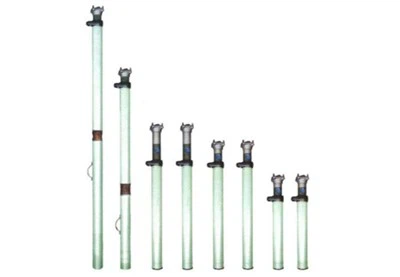

Hey there! As a supplier of metal long beams, I often get asked about the creep behavior of these beams. So, I thought I'd take a few minutes to explain what it is and why it matters.
First off, let's talk about what creep is. In simple terms, creep is the gradual deformation of a material under a constant load over time. This means that even if you don't increase the weight or force on a metal long beam, it might still start to bend or stretch slowly as time goes by. It's like when you leave a heavy book on a thin shelf for a really long time – eventually, the shelf will start to sag.
Now, why does this happen in metal beams? Well, metals are made up of tiny crystals. When a load is applied, the atoms in these crystals start to move around. At normal temperatures, this movement is pretty slow. But when the temperature goes up or the load is really high, the atoms can move more freely. Over time, this continuous movement causes the metal to change shape, and that's what we call creep.
There are a few factors that can affect the creep behavior of a metal long beam. Temperature is a big one. As I mentioned earlier, higher temperatures make the atoms move more easily, so the metal will creep faster. If you're using metal beams in a place where it gets really hot, like a furnace room or near a steam pipe, you've got to be extra careful.
The type of metal also matters. Some metals are more resistant to creep than others. For example, steel with certain alloying elements can handle creep better. As a supplier, I always make sure to offer a variety of metals so that my customers can choose the one that fits their specific needs.
The load on the beam is another crucial factor. A higher load will cause the metal to creep faster. If you're planning to use a metal long beam to support a heavy structure, you need to make sure it's strong enough to handle the weight without creping too much.


Now, you might be wondering why it's so important to understand creep behavior. Well, if a metal beam creeps too much, it can lead to structural problems. The beam might not be able to support the weight it's supposed to, which could cause the whole structure to fail. That's a pretty big deal, especially in things like buildings, bridges, or Cross Roof Beam For Mining. In mining, these beams are used to support the roof of mines, and any failure could be extremely dangerous.
So, how can we deal with creep? One way is to use materials that are more resistant to creep. As I said, certain alloys of steel are great for this. Another way is to design the structure in a way that reduces the load on the beams. For example, you can use multiple beams to share the weight instead of relying on just one.
Regular inspections are also super important. By checking the beams regularly, you can spot any signs of creep early on and take action before it's too late. You can look for things like cracks, bending, or changes in the beam's shape.
At my company, we take creep behavior seriously. We offer a range of high - quality metal long beams, including Hinged Top Beam and A-type Beam Shape. These beams are made from top - notch materials that are designed to resist creep. We also have a team of experts who can help you choose the right beam for your project and give you advice on how to install and maintain it.
If you're in the market for metal long beams, whether it's for a small DIY project or a large industrial one, I'd love to talk to you. Understanding the creep behavior of these beams is just one part of making sure your project is safe and successful. So, don't hesitate to reach out and start a conversation about your needs. We can work together to find the perfect solution for you.
In conclusion, creep behavior is an important aspect to consider when using metal long beams. By being aware of the factors that affect it and taking the right precautions, you can ensure the long - term stability and safety of your structures. Whether you're building a house, a bridge, or using beams in mining, it pays to know what you're dealing with.
References:
- Callister, W. D., & Rethwisch, D. G. (2016). Materials Science and Engineering: An Introduction. Wiley.
- Askeland, D. R., & Wright, W. J. (2017). The Science and Engineering of Materials. Cengage Learning.