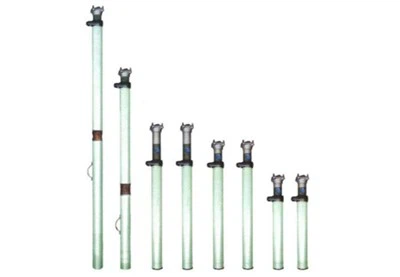

The maintenance frequency of a hydraulic prop is a critical aspect that directly impacts its performance, safety, and longevity. As a trusted hydraulic prop supplier, I understand the significance of providing clear guidance on this matter to ensure our customers can make the most of our products.
Factors Influencing Maintenance Frequency
Several factors play a role in determining how often a hydraulic prop should be maintained. These include the operating environment, usage intensity, and the specific design and quality of the hydraulic prop itself.
Operating Environment
The environment in which the hydraulic prop operates can have a substantial impact on its maintenance needs. In harsh conditions such as mines with high humidity, dust, and corrosive substances, the components of the hydraulic prop are more likely to degrade quickly. For example, in coal mines, the coal dust can enter the hydraulic system, causing abrasion and clogging of valves and cylinders. In such environments, more frequent maintenance is required to prevent premature failure. On the other hand, if the hydraulic prop is used in a relatively clean and dry environment, the maintenance interval can be extended.


Usage Intensity
The frequency and intensity of use also affect the maintenance schedule. Hydraulic props that are used continuously or under heavy loads will experience more wear and tear compared to those used intermittently or with lighter loads. For instance, in a long - wall mining operation where hydraulic props are constantly supporting the roof and are subject to significant pressure changes, they need to be inspected and maintained more often. In contrast, hydraulic props used in less demanding applications, such as temporary support in construction projects with low - traffic areas, may not require as frequent maintenance.
Design and Quality
The design and quality of the hydraulic prop are fundamental factors. High - quality hydraulic props with advanced sealing systems, durable materials, and well - engineered components are generally more reliable and require less frequent maintenance. Our company takes pride in offering Mine Hydraulic Propeller that are designed with the latest technology and high - grade materials to ensure long - term performance. However, even the best - designed hydraulic props need regular maintenance to maintain their optimal functionality.
General Maintenance Frequency Guidelines
Based on industry standards and our experience as a hydraulic prop supplier, we can provide some general guidelines for maintenance frequency.
Daily Checks
- Visual Inspection: Operators should conduct a visual inspection of the hydraulic prop at the start of each shift. This includes checking for any visible signs of damage, such as cracks, dents, or leaks in the cylinder, piston, and hoses. Any loose connections or fittings should also be tightened immediately.
- Functionality Test: A simple functionality test should be performed to ensure that the hydraulic prop can extend and retract smoothly. This can help detect any early signs of internal problems, such as valve malfunctions or hydraulic fluid blockages.
Weekly Checks
- Hydraulic Fluid Level: The hydraulic fluid level should be checked weekly. Low fluid levels can lead to reduced performance and potential damage to the hydraulic system. If the fluid level is low, it should be topped up with the recommended type of hydraulic fluid.
- Seal Inspection: Inspect the seals of the hydraulic prop for signs of wear or damage. Worn seals can cause fluid leaks, which not only reduce the efficiency of the prop but also pose a safety risk. Damaged seals should be replaced promptly.
Monthly Checks
- Pressure Testing: Conduct a pressure test on the hydraulic prop at least once a month. This test helps ensure that the prop can maintain the required pressure under load. If the pressure drops below the specified level, it may indicate a problem with the valves, cylinders, or seals.
- Lubrication: Lubricate all moving parts, such as the piston rod and joints, to reduce friction and prevent premature wear. Use the appropriate lubricant recommended by the manufacturer.
Quarterly Checks
- Component Inspection: A more in - depth inspection of the internal components of the hydraulic prop should be carried out quarterly. This includes disassembling the prop (if necessary) to check the condition of the valves, pistons, and cylinders. Any worn or damaged components should be replaced.
- Calibration: Calibrate the pressure gauges and other measuring devices to ensure accurate readings. Incorrect readings can lead to improper operation of the hydraulic prop.
Annual Maintenance
- Overhaul: An annual overhaul is recommended for hydraulic props. This involves a complete disassembly of the prop, thorough cleaning of all components, and replacement of all worn or damaged parts. After the overhaul, the prop should be reassembled and tested to ensure it meets the original performance specifications.
Importance of Regular Maintenance
Regular maintenance of hydraulic props is not only crucial for their proper functioning but also for safety reasons.
Safety
A well - maintained hydraulic prop provides reliable support, which is essential in applications such as mining and construction. Faulty hydraulic props can fail unexpectedly, leading to roof collapses in mines or structural failures in construction projects, endangering the lives of workers. By following the recommended maintenance frequency, we can minimize the risk of such accidents.
Performance
Proper maintenance ensures that the hydraulic prop operates at its optimal performance level. This includes maintaining the correct pressure, smooth operation, and accurate load - bearing capacity. A well - maintained prop can also improve the overall efficiency of the operation, reducing downtime and increasing productivity.
Cost - Effectiveness
Although maintenance requires an investment of time and resources, it is cost - effective in the long run. Regular maintenance can prevent major breakdowns, which are often more expensive to repair. It also extends the service life of the hydraulic prop, reducing the need for frequent replacements.
Conclusion
As a hydraulic prop supplier, we emphasize the importance of following a proper maintenance schedule for hydraulic props. The maintenance frequency depends on various factors, including the operating environment, usage intensity, and the quality of the prop. By adhering to the general guidelines provided above, operators can ensure the safety, performance, and longevity of their hydraulic props.
If you are in the market for high - quality hydraulic props or need more information on their maintenance, please feel free to contact us for procurement and further discussions. We are committed to providing you with the best products and support to meet your needs.
References
- Industry standards for hydraulic prop maintenance
- Company's internal experience and research on hydraulic prop performance and maintenance