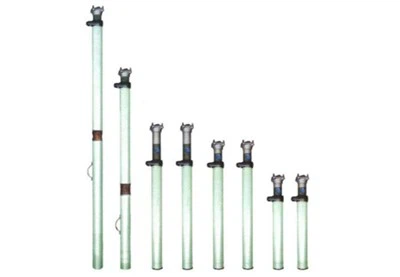

As a supplier of non-hinged top beams, I often encounter inquiries about the maximum span these beams can achieve. Understanding the maximum span is crucial for various applications, including mining, construction, and industrial projects. In this blog post, I will delve into the factors that determine the maximum span of non-hinged top beams, share some real-world examples, and provide insights to help you make informed decisions for your projects.
Factors Affecting the Maximum Span of Non-Hinged Top Beams
The maximum span of a non-hinged top beam is influenced by several key factors, each of which plays a significant role in determining the beam's structural integrity and load-bearing capacity.
Material Properties
The material used to construct the non-hinged top beam is one of the most critical factors affecting its maximum span. Common materials include steel, aluminum, and wood, each with its own unique properties and characteristics.
- Steel: Steel is a popular choice for non-hinged top beams due to its high strength, durability, and resistance to corrosion. The strength of steel is typically measured in terms of its yield strength and ultimate tensile strength. Higher strength steels can support greater loads over longer spans. For example, high-strength low-alloy (HSLA) steels are often used in applications where maximum span and load-bearing capacity are required.
- Aluminum: Aluminum is a lightweight alternative to steel, offering excellent corrosion resistance and ease of fabrication. While aluminum has a lower strength-to-weight ratio compared to steel, it can still be used for non-hinged top beams in applications where weight is a critical factor. The maximum span of an aluminum non-hinged top beam will depend on its alloy composition, thickness, and cross-sectional shape.
- Wood: Wood is a traditional material for non-hinged top beams, valued for its natural beauty, affordability, and ease of installation. However, wood has a lower strength and stiffness compared to steel and aluminum, which limits its maximum span. The type of wood, its grade, and the moisture content can also affect its load-bearing capacity.
Beam Geometry
The geometry of the non-hinged top beam, including its cross-sectional shape, depth, and width, also plays a crucial role in determining its maximum span.
- Cross-Sectional Shape: The cross-sectional shape of the beam can significantly affect its strength and stiffness. Common cross-sectional shapes for non-hinged top beams include rectangular, I-beams, and box beams. I-beams and box beams are often preferred for their high strength-to-weight ratio and ability to resist bending and torsion.
- Depth and Width: The depth and width of the beam are directly related to its load-bearing capacity. Generally, deeper and wider beams can support greater loads over longer spans. However, increasing the depth and width of the beam also increases its weight and cost. Therefore, it is important to find the optimal balance between strength, weight, and cost.
Load Conditions
The load conditions acting on the non-hinged top beam, including the magnitude, type, and distribution of the loads, are another important factor affecting its maximum span.
- Magnitude of Loads: The magnitude of the loads acting on the beam will determine the required strength and stiffness of the beam. Higher loads will require stronger and stiffer beams, which may limit the maximum span.
- Type of Loads: The type of loads acting on the beam can also affect its maximum span. Static loads, such as the weight of the structure and its contents, are relatively easy to calculate and design for. However, dynamic loads, such as wind, earthquake, and impact loads, can be more difficult to predict and design for. Dynamic loads can cause additional stresses and deflections in the beam, which may reduce its maximum span.
- Distribution of Loads: The distribution of the loads along the length of the beam can also affect its maximum span. Uniformly distributed loads, such as the weight of a roof or a floor, are easier to design for compared to concentrated loads, such as the weight of a column or a machine. Concentrated loads can cause higher stresses and deflections in the beam, which may reduce its maximum span.
Support Conditions
The support conditions of the non-hinged top beam, including the type and location of the supports, also play a crucial role in determining its maximum span.
- Type of Supports: The type of supports used for the beam can significantly affect its maximum span. Fixed supports, such as those provided by columns or walls, can provide greater restraint and support compared to simply supported or cantilevered supports. Fixed supports can reduce the deflections and stresses in the beam, which may increase its maximum span.
- Location of Supports: The location of the supports along the length of the beam can also affect its maximum span. Supports that are closer together can provide greater support and reduce the deflections and stresses in the beam, which may increase its maximum span. However, increasing the number of supports also increases the cost and complexity of the structure.
Real-World Examples of Non-Hinged Top Beam Spans
To illustrate the maximum span of non-hinged top beams in real-world applications, let's consider some examples from the mining and construction industries.
Mining Applications
In mining applications, non-hinged top beams are often used to support the roof of underground mines. The maximum span of these beams will depend on the type of mine, the geology of the surrounding rock, and the load conditions.


- Coal Mines: In coal mines, non-hinged top beams are typically made of steel and are used to support the roof of the mine. The maximum span of these beams can range from 3 to 6 meters, depending on the thickness and strength of the steel, the type of supports used, and the load conditions.
- Metal Mines: In metal mines, non-hinged top beams are often made of high-strength steel or aluminum and are used to support the roof of the mine. The maximum span of these beams can range from 6 to 12 meters, depending on the thickness and strength of the material, the type of supports used, and the load conditions.
Construction Applications
In construction applications, non-hinged top beams are often used to support the roof or floor of a building. The maximum span of these beams will depend on the type of building, the design of the structure, and the load conditions.
- Residential Buildings: In residential buildings, non-hinged top beams are typically made of wood and are used to support the roof or floor of the building. The maximum span of these beams can range from 3 to 6 meters, depending on the type of wood, the grade of the wood, and the load conditions.
- Commercial Buildings: In commercial buildings, non-hinged top beams are often made of steel or concrete and are used to support the roof or floor of the building. The maximum span of these beams can range from 6 to 30 meters, depending on the thickness and strength of the material, the type of supports used, and the load conditions.
Choosing the Right Non-Hinged Top Beam for Your Project
When choosing a non-hinged top beam for your project, it is important to consider the factors discussed above, as well as your specific requirements and budget. Here are some tips to help you choose the right non-hinged top beam for your project:
- Determine the Load Conditions: Before choosing a non-hinged top beam, it is important to determine the load conditions acting on the beam, including the magnitude, type, and distribution of the loads. This will help you select a beam with the appropriate strength and stiffness to support the loads.
- Choose the Right Material: The material used to construct the non-hinged top beam will depend on your specific requirements and budget. Steel, aluminum, and wood are all common materials for non-hinged top beams, each with its own unique properties and characteristics. Consider the strength, durability, corrosion resistance, and cost of each material before making a decision.
- Select the Appropriate Beam Geometry: The geometry of the non-hinged top beam, including its cross-sectional shape, depth, and width, will affect its strength and stiffness. Choose a beam with the appropriate cross-sectional shape, depth, and width to support the loads and meet your specific requirements.
- Consider the Support Conditions: The support conditions of the non-hinged top beam, including the type and location of the supports, will affect its maximum span. Choose a beam with the appropriate support conditions to ensure its structural integrity and safety.
Conclusion
In conclusion, the maximum span of a non-hinged top beam is influenced by several key factors, including material properties, beam geometry, load conditions, and support conditions. By understanding these factors and choosing the right non-hinged top beam for your project, you can ensure its structural integrity and safety. If you have any questions or need further information about non-hinged top beams, please feel free to [contact us for procurement discussions]. We are a leading supplier of non-hinged top beams, offering a wide range of products to meet your specific requirements. Our team of experts can help you choose the right beam for your project and provide you with the support and guidance you need to ensure its success.
References
- "Structural Steel Design" by Arthur H. Nilson, David Darwin, and Charles W. Dolan
- "Aluminum Structures: A Design Guide" by John M. Geschwindner
- "Wood Design and Construction" by Bruce Hoadley