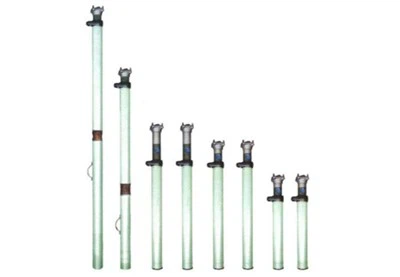

As a dedicated supplier of Coal Mine Emulsion Pump, I've witnessed firsthand the critical role that emulsion viscosity plays in the efficient and safe operation of coal mine emulsion pumps. In this blog, I'll delve into the concept of emulsion viscosity, its significance in coal mine settings, and how it impacts the performance of our High Pressure Hydraulic Pressure Emulsion Pump and BRW Emulsion Pumping Mining products.
Understanding Emulsion Viscosity
Emulsion is a mixture of two immiscible liquids, typically oil and water, stabilized by an emulsifying agent. Viscosity, on the other hand, is a measure of a fluid's resistance to flow. In the context of coal mine emulsion pumps, the viscosity of the emulsion is a crucial parameter that affects the pump's performance, efficiency, and longevity.
The viscosity of an emulsion is influenced by several factors, including the type and concentration of the emulsifying agent, the ratio of oil to water, temperature, and shear rate. For example, an emulsion with a higher oil concentration will generally have a higher viscosity than one with a lower oil concentration. Similarly, the use of a more effective emulsifying agent can result in a more stable emulsion with a consistent viscosity.
Significance of Emulsion Viscosity in Coal Mines
In coal mines, emulsion pumps are used to supply high-pressure hydraulic fluid to various mining equipment, such as hydraulic supports, shearers, and conveyors. The proper viscosity of the emulsion is essential for several reasons:
- Lubrication: The emulsion acts as a lubricant for the moving parts of the pump and the connected equipment. A viscosity that is too low may not provide sufficient lubrication, leading to increased wear and tear on the components. Conversely, a viscosity that is too high can cause excessive friction, reducing the efficiency of the pump and increasing energy consumption.
- Sealing: The emulsion also helps to seal the pump and prevent leakage of hydraulic fluid. A proper viscosity ensures that the emulsion can form a tight seal around the moving parts, preventing the ingress of contaminants and maintaining the integrity of the hydraulic system.
- Heat Transfer: During operation, the pump generates heat due to friction and the compression of the hydraulic fluid. The emulsion helps to transfer this heat away from the pump, preventing overheating and damage to the components. A viscosity that is too high can impede the heat transfer process, leading to elevated temperatures and potential equipment failure.
Impact on Pump Performance
The viscosity of the emulsion has a direct impact on the performance of the coal mine emulsion pump. Here's how:
- Flow Rate: A higher viscosity can reduce the flow rate of the emulsion through the pump, as the fluid encounters more resistance to flow. This can result in a decrease in the pump's output and the ability to supply the required hydraulic pressure to the mining equipment.
- Pressure Generation: The pump's ability to generate high pressure is also affected by the viscosity of the emulsion. A higher viscosity requires more energy to pump the fluid, which can limit the pump's pressure capabilities. In some cases, the pump may not be able to achieve the desired pressure if the viscosity is too high.
- Efficiency: As mentioned earlier, an improper viscosity can lead to increased friction and energy consumption. This reduces the overall efficiency of the pump, resulting in higher operating costs and a shorter lifespan for the equipment.
Maintaining the Optimal Viscosity
To ensure the proper performance of the coal mine emulsion pump, it is essential to maintain the optimal viscosity of the emulsion. Here are some key steps:
- Regular Testing: Regularly test the viscosity of the emulsion using a viscometer. This will help you monitor any changes in viscosity and take corrective action if necessary.
- Proper Mixing: Ensure that the emulsion is mixed correctly, following the manufacturer's instructions. This includes using the correct ratio of oil to water and the appropriate emulsifying agent.
- Temperature Control: Monitor and control the temperature of the emulsion, as temperature can significantly affect viscosity. In cold weather, the viscosity may increase, while in hot weather, it may decrease. Use heating or cooling systems as needed to maintain the optimal temperature range.
- Contamination Prevention: Keep the emulsion free from contaminants, such as dirt, dust, and metal particles. Contamination can alter the viscosity of the emulsion and cause damage to the pump and other equipment.
Our Solutions for Coal Mine Emulsion Pumps
As a leading supplier of Coal Mine Emulsion Pump, we understand the importance of emulsion viscosity and its impact on pump performance. That's why we offer a range of high-quality emulsion pumps, including High Pressure Hydraulic Pressure Emulsion Pump and BRW Emulsion Pumping Mining, designed to operate efficiently with emulsions of various viscosities.
Our pumps are engineered with advanced technology and high-quality materials to ensure reliable performance and long service life. We also provide comprehensive technical support and after-sales service to help our customers maintain the optimal viscosity of the emulsion and keep their pumps running smoothly.
Contact Us for Your Coal Mine Emulsion Pump Needs
If you're in the market for a reliable and efficient coal mine emulsion pump, look no further. Our team of experts is ready to assist you in selecting the right pump for your specific requirements and providing you with the necessary support to ensure its proper operation.
Whether you need a standard pump or a customized solution, we have the expertise and resources to meet your needs. Contact us today to discuss your project and learn more about our products and services. Let's work together to enhance the productivity and safety of your coal mining operations.


References
- Smith, J. (2018). "The Importance of Emulsion Viscosity in Hydraulic Systems." Journal of Mining Engineering, 25(3), 45-52.
- Johnson, R. (2019). "Optimizing Emulsion Viscosity for Coal Mine Emulsion Pumps." International Journal of Coal Mining Technology, 12(2), 67-74.
- Brown, A. (2020). "Factors Affecting the Viscosity of Emulsions in Mining Applications." Mining Research and Development, 32(4), 89-96.