
Hey there! As an emulsion pump supplier, I often get asked a really important question: Can an emulsion pump be used in a food - grade application? Well, let's dig into this topic and find out.
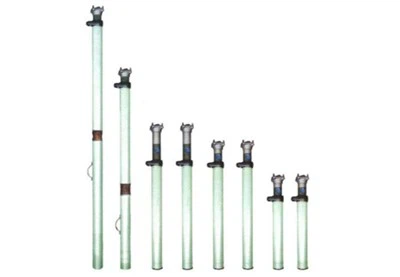
First off, what exactly is an emulsion pump? An emulsion pump is a device that's designed to pump emulsions, which are mixtures of two or more immiscible liquids, like oil and water, with one liquid being dispersed in the other in the form of tiny droplets. These pumps are commonly used in various industries, such as mining and hydraulic systems. For example, you can check out the BRW Pumping Station for Mining and Coal Mine Emulsion Pump, which are specifically designed for mining applications. They're built to handle the tough conditions and high - pressure requirements in mines.
But when it comes to food - grade applications, things get a bit more complicated. In the food industry, safety and hygiene are of utmost importance. Any equipment that comes into contact with food must meet strict regulations and standards. These standards ensure that the equipment doesn't contaminate the food with harmful substances like chemicals, metals, or bacteria.


So, can an ordinary emulsion pump be used in a food - grade application? In most cases, the answer is no. Regular emulsion pumps are typically made for industrial use, and they're often constructed from materials that might not be safe for food contact. For instance, the seals, gaskets, and pump housing could be made of materials that release chemicals or particles over time, which could end up in the food. Also, these pumps might not be easy to clean thoroughly, which can lead to the growth of bacteria and other microorganisms.
However, that doesn't mean that emulsion pumps can never be used in food - grade applications. There are specially designed food - grade emulsion pumps available on the market. These pumps are made from materials that are approved for food contact, such as stainless steel and food - grade plastics. They're also designed to be easy to clean and sanitize, which is crucial for maintaining food safety. You can think of them as the "clean freaks" of the pump world, always ready to keep your food safe.
Let's talk about the features of a food - grade emulsion pump. First, the materials used in its construction are key. Stainless steel is a popular choice because it's resistant to corrosion, easy to clean, and doesn't react with food. The seals and gaskets are made from food - grade elastomers that won't leach any harmful substances into the food.
Another important feature is the design of the pump. Food - grade emulsion pumps are usually designed with smooth surfaces and minimal crevices. This makes it easier to clean all parts of the pump, preventing the buildup of food residues and bacteria. They also often have a simple and straightforward design, which means there are fewer parts that could malfunction or trap contaminants.
When it comes to performance, food - grade emulsion pumps need to be reliable and efficient. They should be able to pump the emulsion at the right pressure and flow rate without causing any damage to the food. For example, in the production of dairy products, the pump needs to handle the milk emulsion gently to avoid breaking down the fat globules and affecting the quality of the final product.
Now, if you're in the food industry and thinking about using an emulsion pump, you might be wondering how to choose the right one. First, make sure to look for pumps that are certified for food - grade use. There are several certifications out there, such as NSF (National Sanitation Foundation) and FDA (Food and Drug Administration) certifications in the United States. These certifications indicate that the pump has met the necessary safety and hygiene standards.
You should also consider the specific requirements of your application. For example, if you're pumping a thick and viscous emulsion, you'll need a pump with enough power to handle it. On the other hand, if you're working with a delicate food product, you'll want a pump that can operate gently without causing any damage.
As an emulsion pump supplier, I can tell you that we offer a range of food - grade emulsion pumps that are designed to meet the diverse needs of the food industry. Our pumps are made from high - quality, food - approved materials and are rigorously tested to ensure they meet the highest standards of safety and performance. Whether you're making ice cream, salad dressings, or any other food product that requires an emulsion pump, we've got you covered.
If you're interested in learning more about our food - grade emulsion pumps or have any questions about using emulsion pumps in your food - grade application, don't hesitate to get in touch. We're here to help you make the right choice and ensure that your food production process runs smoothly and safely. You can also check out our High Pressure Hydraulic Pressure Emulsion Pump for more information on our pump range.
In conclusion, while regular emulsion pumps are not suitable for food - grade applications, there are specialized food - grade emulsion pumps available that can meet the strict requirements of the food industry. By choosing the right pump and following the necessary safety and hygiene practices, you can use an emulsion pump to enhance your food production process. So, if you're in the market for a food - grade emulsion pump, give us a shout, and let's start a conversation about how we can work together.
References
- General knowledge on industrial and food - grade pumps from industry experience.
- Information on food safety standards from relevant regulatory bodies.