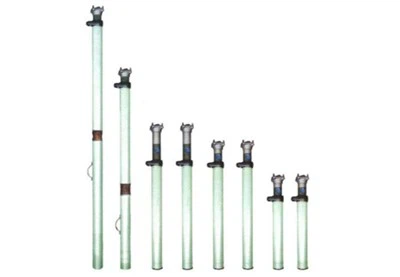

Maintaining a metal long beam is crucial for ensuring its longevity, structural integrity, and optimal performance. As a trusted metal long beam supplier, we understand the significance of proper maintenance in preserving the quality of these essential components. In this blog, we will explore various aspects of maintaining metal long beams, from understanding their composition to implementing effective maintenance strategies.
Understanding the Composition of Metal Long Beams
Metal long beams are typically made from high - strength steel alloys, which offer excellent load - bearing capabilities and durability. These alloys may contain elements such as carbon, manganese, silicon, and small amounts of other metals to enhance their mechanical properties. However, the very nature of these metals makes them susceptible to certain forms of degradation over time, such as corrosion, fatigue, and wear.
Corrosion is one of the most common issues faced by metal long beams. When exposed to moisture, oxygen, and other corrosive agents, the metal surface begins to oxidize, leading to the formation of rust. This can weaken the beam's structure and reduce its load - carrying capacity. Fatigue, on the other hand, occurs due to repeated loading and unloading cycles. Over time, microscopic cracks can develop in the metal, which may propagate and eventually lead to failure. Wear can also occur at the points of contact between the beam and other components, such as supports or connectors.
Inspection and Monitoring
Regular inspection is the first step in maintaining metal long beams. A thorough visual inspection should be carried out at least once every six months, or more frequently in harsh environments. During the inspection, look for signs of corrosion, such as rust spots, discoloration, or pitting on the surface of the beam. Check for any visible cracks, deformations, or signs of excessive wear.
In addition to visual inspections, non - destructive testing (NDT) techniques can be used to detect internal flaws that may not be visible to the naked eye. Ultrasonic testing, for example, can be used to detect cracks and other defects within the metal. Magnetic particle testing is effective for detecting surface - breaking cracks in ferromagnetic materials. These NDT methods should be performed by trained professionals at regular intervals, depending on the usage and environmental conditions of the beams.
Monitoring the load on the metal long beams is also essential. Excessive loading can accelerate fatigue and increase the risk of failure. Use load sensors or strain gauges to measure the stress levels on the beams during normal operation. If the measured stress levels approach or exceed the design limits, appropriate measures should be taken, such as reducing the load or reinforcing the beam.
Cleaning and Surface Protection
Proper cleaning is an important part of maintaining metal long beams. Remove dirt, debris, and other contaminants from the surface of the beam regularly using a mild detergent and water. Avoid using abrasive cleaners or tools that may damage the metal surface. After cleaning, dry the beam thoroughly to prevent the accumulation of moisture, which can lead to corrosion.


Applying a protective coating is an effective way to prevent corrosion. There are several types of coatings available, including paint, galvanizing, and powder coating. Paint provides a barrier between the metal and the environment, but it may require regular re - application. Galvanizing involves coating the metal with a layer of zinc, which acts as a sacrificial anode and corrodes in place of the steel. Powder coating is a durable and environmentally friendly option that provides excellent protection against corrosion and wear.
Maintenance of Connections and Supports
The connections and supports of metal long beams play a crucial role in their overall stability. Check the bolts, nuts, and welds at the connection points regularly for signs of loosening, cracking, or corrosion. Tighten any loose fasteners and repair any damaged welds as soon as possible.
Inspect the supports for the beams, such as columns or foundations, for signs of settlement, cracking, or damage. Uneven settlement of the supports can cause additional stress on the beams, leading to premature failure. If any issues are detected with the supports, appropriate measures should be taken to correct them, such as underpinning or reinforcing the foundation.
Storage and Handling
Proper storage and handling of metal long beams are also important for maintaining their quality. When storing the beams, keep them in a dry, well - ventilated area away from sources of moisture and corrosive substances. Store the beams on a flat surface to prevent bending or deformation.
During handling, use appropriate lifting equipment and techniques to avoid damage to the beams. Avoid dropping or striking the beams, as this can cause cracks or other forms of damage. When transporting the beams, secure them properly to prevent movement and ensure that they are not exposed to excessive vibrations or impacts.
Specific Maintenance for Different Types of Metal Long Beams
As a metal long beam supplier, we offer a variety of products, including Cross Roof Beam For Mining, Non - hinged Top Beam, and Hinged Top Beam DIC. Each type of beam may have specific maintenance requirements based on its design and application.
For cross - roof beams used in mining, they are often exposed to harsh underground environments, including high humidity, dust, and corrosive gases. In addition to regular cleaning and coating, it is important to monitor the beam's alignment and stability in the mining roof. Any signs of deformation or movement should be addressed immediately to prevent roof collapses.
Non - hinged top beams are commonly used in construction and industrial applications. These beams should be inspected for any signs of bending or twisting, especially at the connection points. The surface coating should be maintained to protect against corrosion, especially in outdoor environments.
Hinged top beam DICs have moving parts, which require additional maintenance. Lubricate the hinges regularly to ensure smooth movement and prevent wear. Check the integrity of the hinge pins and connections for any signs of damage or loosening.
Conclusion
Maintaining metal long beams is a comprehensive process that involves regular inspection, cleaning, surface protection, and proper handling. By following the guidelines outlined in this blog, you can extend the lifespan of your metal long beams, ensure their structural integrity, and reduce the risk of costly failures.
If you are in need of high - quality metal long beams or have any questions about their maintenance, we invite you to contact us for a detailed discussion. Our team of experts is ready to provide you with the best solutions and support for your specific needs.
References
- ASCE (American Society of Civil Engineers). "Structural Steel Building Code".
- ASTM (American Society for Testing and Materials). "Standards for Steel Products".
- NACE International. "Corrosion Prevention and Control in the Oil and Gas Industry".