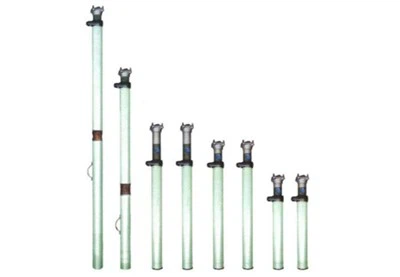

Hey there! As a supplier of Suspended Hydraulic Props, I've seen my fair share of issues when it comes to hydraulic oil leakage. It's a common problem that can lead to all sorts of headaches, from reduced efficiency to safety hazards. In this blog, I'm gonna share some tips on how to prevent the leakage of hydraulic oil in a Suspended Hydraulic Prop.
Understanding the Basics of Suspended Hydraulic Props
First off, let's quickly go over what Suspended Hydraulic Props are. These props are widely used in mining and other industries for support purposes. They work by using hydraulic pressure to extend and retract, providing a stable and adjustable support system. You can check out more about Suspension Type Hydraulic Prop, Mining Suspension Type Hydraulic Prop, and Suspension Single Supporting Prop Hydraulic Prop on our website.
Common Causes of Hydraulic Oil Leakage
Before we dive into the prevention methods, it's important to understand what causes hydraulic oil leakage in the first place. Here are some of the most common culprits:
1. Wear and Tear
Over time, the components of a Suspended Hydraulic Prop can wear out. Seals, in particular, are prone to wear due to constant friction and pressure. When the seals are worn, they can no longer effectively contain the hydraulic oil, leading to leakage.
2. Improper Installation
If the Suspended Hydraulic Prop is not installed correctly, it can cause misalignment and stress on the components. This can lead to premature wear and damage, increasing the risk of oil leakage.
3. Contamination
Dirt, dust, and other contaminants can enter the hydraulic system. These contaminants can damage the seals and other components, causing oil leakage.
4. Overpressure
Exceeding the recommended pressure limits can put excessive stress on the seals and other components. This can cause them to fail and result in oil leakage.
Prevention Methods
1. Regular Maintenance
One of the most effective ways to prevent hydraulic oil leakage is through regular maintenance. This includes:
- Inspecting Seals: Check the seals regularly for signs of wear, damage, or deformation. Replace any worn or damaged seals immediately.
- Cleaning the System: Keep the hydraulic system clean by removing dirt, dust, and other contaminants. Use a clean cloth or a specialized cleaning solution to clean the components.
- Checking Fluid Levels: Make sure the hydraulic fluid level is within the recommended range. Low fluid levels can cause air to enter the system, which can lead to damage and leakage.
- Changing the Fluid: Replace the hydraulic fluid at regular intervals according to the manufacturer's recommendations. Old or contaminated fluid can cause damage to the components and increase the risk of leakage.
2. Proper Installation
Proper installation is crucial for preventing hydraulic oil leakage. Here are some tips to ensure correct installation:
- Follow the Instructions: Read and follow the manufacturer's installation instructions carefully. Make sure all the components are installed in the correct order and orientation.
- Use the Right Tools: Use the appropriate tools for installation. This will help ensure that the components are installed correctly and without damage.
- Check for Alignment: Make sure the Suspended Hydraulic Prop is properly aligned. Misalignment can cause stress on the components and increase the risk of leakage.
3. Contamination Control
To prevent contamination from causing oil leakage, take the following steps:
- Use Filters: Install high-quality filters in the hydraulic system to remove dirt, dust, and other contaminants. Replace the filters regularly according to the manufacturer's recommendations.
- Keep the Work Area Clean: Keep the work area clean to prevent dirt and dust from entering the hydraulic system. Use covers or enclosures to protect the components when not in use.
- Handle the Fluid Properly: When adding or changing the hydraulic fluid, make sure to use clean containers and equipment. Avoid spilling the fluid, as it can contaminate the system.
4. Pressure Management
To prevent overpressure from causing oil leakage, follow these guidelines:
- Monitor the Pressure: Use a pressure gauge to monitor the pressure in the hydraulic system. Make sure the pressure stays within the recommended limits.
- Adjust the Pressure Relief Valve: The pressure relief valve is designed to protect the system from overpressure. Make sure it is set to the correct pressure and functioning properly.
- Avoid Overloading: Do not exceed the recommended load capacity of the Suspended Hydraulic Prop. Overloading can put excessive stress on the components and increase the risk of leakage.
Training and Education
Another important aspect of preventing hydraulic oil leakage is training and education. Make sure your employees are properly trained on how to use, maintain, and install the Suspended Hydraulic Props. Provide them with the necessary knowledge and skills to identify and address potential problems before they become serious.


Conclusion
Preventing the leakage of hydraulic oil in a Suspended Hydraulic Prop is essential for ensuring the safety, efficiency, and longevity of the equipment. By following the tips outlined in this blog, you can significantly reduce the risk of oil leakage and keep your hydraulic props in good working condition.
If you're in the market for high-quality Suspended Hydraulic Props or have any questions about preventing hydraulic oil leakage, feel free to reach out. We're here to help you find the right solutions for your needs.
References
- Manufacturer's manuals and guidelines for Suspended Hydraulic Props
- Industry standards and best practices for hydraulic system maintenance and operation