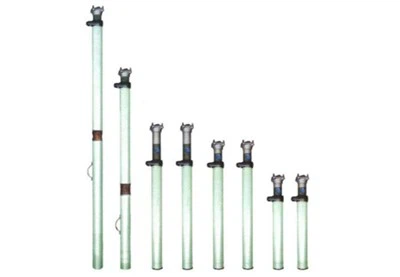

As a Mine Roof - Beam supplier, I've been in the industry long enough to understand the importance of measuring the deflection of mine roof - beams. It's not just a technicality; it's a matter of safety and efficiency in mining operations. In this blog, I'll share some practical ways to measure the deflection of these beams, which are crucial for maintaining the integrity of mine structures.
Why Measuring Deflection Matters
Before we jump into the measurement methods, let's talk about why measuring the deflection of mine roof - beams is so important. Mine roof - beams, like the Mine Roof - Beam, play a vital role in supporting the roof of mines. Over time, due to the weight of the overlying rock and other forces, these beams can deflect. Excessive deflection can lead to structural failure, which is a major safety hazard in mines. It can cause roof collapses, endangering the lives of miners and disrupting operations. By measuring the deflection regularly, we can detect early signs of stress and take preventive measures to avoid such disasters.


Visual Inspection
One of the simplest ways to start measuring the deflection of a mine roof - beam is through visual inspection. This method doesn't require any fancy equipment, just a trained eye. Walk along the beam and look for any obvious signs of bending or sagging. Check for cracks, deformations, or any other visible damage. If you notice that the beam is not straight or if there are signs of stress, it's a clear indication that there might be some deflection.
However, visual inspection has its limitations. It can only give you a rough idea of the deflection. You might not be able to detect small deflections that are still within the normal range but could potentially lead to problems in the future. So, while it's a good starting point, it shouldn't be the only method you rely on.
Using a Level
A level is a handy tool for measuring the deflection of a mine roof - beam more accurately. Place the level on the top surface of the beam at different points along its length. The level will show you if the surface is horizontal or if there is any deviation. You can mark the points where the level indicates a slope and measure the height difference between these points. This height difference is an indication of the deflection.
To get more precise results, you can use a long - level that spans the entire length of the beam. This way, you can get a better understanding of the overall deflection pattern. Keep in mind that the level should be placed on a clean and flat surface of the beam for accurate readings.
Dial Gauges
Dial gauges are another popular tool for measuring the deflection of mine roof - beams. These gauges can provide very accurate measurements. To use a dial gauge, you need to mount it on a stable support near the beam. Then, attach a probe to the gauge and place it in contact with the beam at the point where you want to measure the deflection.
As the beam deflects, the probe will move, and the dial gauge will show the amount of movement. You can take multiple readings at different points along the beam to get a comprehensive view of the deflection. Dial gauges are great because they can measure very small deflections, which might not be detectable by visual inspection or a level.
Laser Measuring Devices
Laser measuring devices are becoming increasingly popular in the mining industry for measuring the deflection of mine roof - beams. These devices work by emitting a laser beam and measuring the distance between the device and the beam. By taking measurements at different points along the beam, you can calculate the deflection.
Laser measuring devices offer several advantages. They are very accurate and can measure deflections from a distance, which is useful in situations where it's difficult to access the beam directly. They also provide quick results, which is important in a fast - paced mining environment. However, they can be quite expensive, so you need to consider your budget before investing in one.
Strain Gauges
Strain gauges are a more advanced method of measuring the deflection of mine roof - beams. These gauges are attached to the surface of the beam and measure the strain, which is related to the deflection. When the beam deflects, the strain gauge will detect the change in the shape of the beam and convert it into an electrical signal.
The electrical signal can then be measured and analyzed to determine the amount of deflection. Strain gauges are very sensitive and can provide real - time data on the deflection of the beam. They are especially useful for monitoring the long - term performance of the beam and detecting any sudden changes in the deflection.
Considerations for Different Beam Shapes
When measuring the deflection of mine roof - beams, it's important to consider the shape of the beam. For example, the A - type Beam Shape has a different structural behavior compared to other beam shapes. The deflection pattern might be different, and the measurement methods might need to be adjusted accordingly.
Some beam shapes might be more prone to certain types of deflections, such as lateral deflection. In such cases, you need to use additional measurement techniques or focus on specific areas of the beam to get accurate results.
The Role of Our Products
At our company, we supply high - quality mine roof - beams, including the DFB Metal Long Beam. Our beams are designed to have low deflection rates, which means they can withstand the forces in the mine environment for a longer time. However, even with our high - quality beams, it's still important to measure the deflection regularly to ensure their continued performance.
We also offer technical support to our customers on how to measure the deflection of our beams. Our team of experts can provide guidance on the best measurement methods based on the specific type of beam and the mining conditions.
Conclusion
Measuring the deflection of mine roof - beams is a crucial part of maintaining the safety and efficiency of mining operations. There are several methods available, from simple visual inspection to advanced strain gauges. Each method has its own advantages and limitations, and in most cases, it's best to use a combination of methods for accurate results.
If you're in the mining industry and are looking for high - quality mine roof - beams or need more information on measuring deflection, don't hesitate to contact us. We're here to help you make the right choices for your mining needs. Whether you're a small - scale miner or a large - scale mining company, we can provide the products and support you need. Let's work together to ensure the safety and success of your mining operations.
References
- Mining Engineering Handbook, Second Edition. Edited by Hartman, H. L.
- Structural Analysis, Fourth Edition. By R. C. Hibbeler.
- Mine Safety and Health Administration (MSHA) Guidelines on Structural Support in Mines.