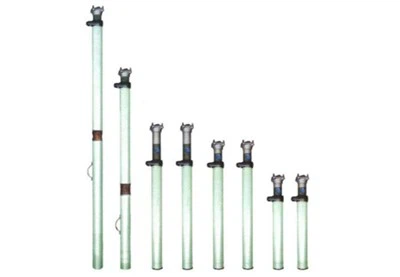

Troubleshooting an emulsion pump station can be a real headache, but don't worry! As a supplier of emulsion pump stations, I've seen it all and am here to share some tips on how to get your station up and running smoothly.
Understanding the Basics
First things first, let's talk about what an emulsion pump station is and what it does. An emulsion pump station is a crucial piece of equipment in many industrial settings, especially in mining. It's responsible for supplying high - pressure emulsion to hydraulic systems, which are used to power various machinery.
The main components of an emulsion pump station typically include a pump, a motor, a tank for storing the emulsion, and a control system. The emulsion itself is a mixture of oil and water, which provides lubrication and cooling for the hydraulic components.
Common Problems and Solutions
1. Low Pressure Output
One of the most common issues you might encounter is low pressure output from the pump. This can be caused by several factors.
- Leaking Seals: Check all the seals in the pump and the piping system. Leaking seals can allow the emulsion to escape, reducing the pressure. If you find a leaking seal, replace it as soon as possible. You can usually find replacement seals at most industrial supply stores.
- Clogged Filters: Filters in the pump station are designed to remove impurities from the emulsion. Over time, these filters can become clogged, restricting the flow of the emulsion and reducing the pressure. Clean or replace the filters regularly to avoid this problem.
- Worn Pump Components: The pump itself may have worn components, such as pistons or valves. If you suspect that the pump is the problem, you might need to disassemble it and inspect the parts. If the parts are worn beyond repair, you can find replacement parts for High Pressure Hydraulic Pressure Emulsion Pump on our website.
2. Overheating
Overheating is another major problem that can damage the pump station and reduce its efficiency.


- Insufficient Cooling: Make sure that the cooling system of the pump station is working properly. This may involve checking the coolant level in the radiator or the cooling fins on the pump motor. If the coolant level is low, top it up. If the cooling fins are dirty, clean them to improve heat dissipation.
- Excessive Load: Running the pump station at a higher load than it's designed for can cause overheating. Check the operating parameters of the pump and make sure that you're not overloading it. If necessary, reduce the load on the pump.
- Poor Lubrication: The emulsion serves as a lubricant for the pump components. If the emulsion is of poor quality or the level is too low, it can cause increased friction and heat generation. Check the emulsion level regularly and replace it if it's contaminated or degraded.
3. Noise and Vibration
Unusual noise and vibration from the pump station can be a sign of a serious problem.
- Misaligned Components: Check if the pump and the motor are properly aligned. Misaligned components can cause excessive vibration and noise. You may need to use alignment tools to adjust the position of the components.
- Loose Parts: Inspect all the bolts and nuts in the pump station. Loose parts can rattle and cause noise. Tighten any loose parts to eliminate the noise.
- Cavitation: Cavitation occurs when the pressure in the pump drops below the vapor pressure of the emulsion, causing bubbles to form and collapse. This can cause a loud noise and damage the pump components. Check the suction line for any restrictions or blockages that could be causing cavitation.
Preventive Maintenance
Preventive maintenance is key to keeping your emulsion pump station in good working condition.
- Regular Inspections: Conduct regular inspections of the pump station. Check the fluid levels, the condition of the components, and the overall performance of the station. Keep a maintenance log to record your findings and any maintenance actions taken.
- Scheduled Replacements: Replace components such as filters, seals, and belts at regular intervals, even if they seem to be in good condition. This can prevent unexpected breakdowns and extend the lifespan of the pump station.
- Proper Training: Make sure that the operators of the pump station are properly trained. They should know how to operate the station correctly, perform basic maintenance tasks, and recognize the signs of potential problems.
When to Call for Professional Help
Sometimes, the problems with an emulsion pump station can be too complex to fix on your own. If you've tried all the troubleshooting steps and the problem still persists, it's time to call for professional help. As a supplier of BRW Pumping Station for Mining and BRW Emulsion Pumping Mining, we have a team of experienced technicians who can diagnose and fix even the most difficult problems.
Conclusion
Troubleshooting an emulsion pump station can be a challenging task, but with the right knowledge and tools, you can keep your station running smoothly. Remember to perform regular maintenance, address problems as soon as they arise, and don't hesitate to seek professional help when needed.
If you're in the market for a new emulsion pump station or need replacement parts, feel free to reach out to us. We're here to help you make the right choice and ensure that your operations run without a hitch. Let's start a conversation about your needs and see how we can assist you in your procurement process.
References
- Industrial Hydraulics Handbook
- Maintenance Guide for Emulsion Pump Stations