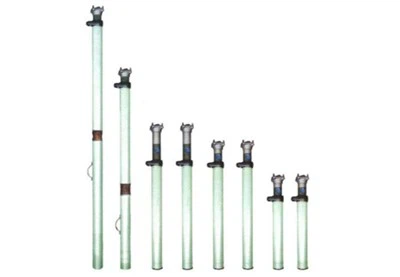

As a seasoned supplier of mine roof - beams, I've witnessed firsthand the critical role these components play in ensuring the safety and efficiency of mining operations. The proper installation of profiled mine roof - beams is not only a technical necessity but also a matter of upholding the highest safety standards. In this blog, I'll delve into the installation requirements for profiled mine roof - beams, providing insights that are essential for both mining professionals and those interested in the industry.
1. Site Preparation
Before the installation of profiled mine roof - beams can begin, thorough site preparation is crucial. The first step is to conduct a comprehensive geological survey of the mining area. This survey helps to identify the rock structure, stability, and potential hazards such as fault lines or weak strata. Understanding the geological conditions allows for the selection of the appropriate type of mine roof - beam and the determination of the optimal installation locations.
For instance, if the rock is highly fractured, beam designs with greater load - bearing capacity may be required. We offer a variety of beam types, including the Double Hole and Double Wedge Top Beam, which is designed to provide enhanced support in challenging geological conditions.
The site must also be cleared of any debris, loose rocks, or other obstructions. This ensures a stable base for the installation of the roof - beams and reduces the risk of accidents during the installation process. Additionally, the floor of the mining area should be leveled to ensure that the beams are installed evenly and can distribute the load effectively.
2. Beam Selection
Selecting the right profiled mine roof - beam is fundamental to a successful installation. Different beam profiles are designed to meet specific requirements based on factors such as the depth of the mine, the type of ore being mined, and the expected load.
Our π Type Steel Girder is a popular choice for many mining operations. It offers excellent strength - to - weight ratio and is suitable for medium to high - stress applications. The π shape provides enhanced stability and can withstand significant lateral forces.
Another option is the A - type Beam Shape. This beam design is known for its simplicity and ease of installation. It is often used in areas where quick installation is required, and the load requirements are relatively low.
When selecting a beam, it's important to consider the material properties as well. High - strength steel is commonly used for mine roof - beams due to its durability and ability to withstand the harsh mining environment. The beam should also be corrosion - resistant to prevent degradation over time.


3. Installation Tools and Equipment
Proper installation of profiled mine roof - beams requires the use of specialized tools and equipment. The most essential tool is a reliable drilling machine for creating holes in the rock for the installation of bolts or anchors. The drilling machine should be capable of producing holes of the correct diameter and depth to ensure a secure fit for the fasteners.
In addition to the drilling machine, a hydraulic jack or a mechanical lifting device is needed to lift and position the beams in place. These devices should be capable of handling the weight of the beams safely and precisely. Safety equipment such as hard hats, safety glasses, and gloves should also be provided to all workers involved in the installation process.
4. Installation Procedure
The installation of profiled mine roof - beams typically follows a specific procedure. First, the location of the beams is marked on the rock surface based on the design plan. This ensures that the beams are installed at the correct intervals and in the proper alignment.
Next, holes are drilled into the rock at the marked locations. The depth and diameter of the holes should be in accordance with the specifications of the fasteners being used. Once the holes are drilled, bolts or anchors are inserted into the holes and secured using a suitable grout or resin.
The beams are then lifted into position using the lifting equipment. They are carefully aligned with the installed fasteners and lowered onto the rock surface. The beams are then connected to the fasteners using nuts or other appropriate connectors. It's important to ensure that the connections are tight and secure to prevent any movement or displacement of the beams.
After the beams are installed, a final inspection is conducted to check for any signs of misalignment, loose connections, or other issues. Any problems should be addressed immediately to ensure the integrity of the roof - support system.
5. Safety Considerations
Safety is of utmost importance during the installation of profiled mine roof - beams. All workers involved in the installation process should receive proper training on the use of tools and equipment, as well as the safety procedures.
The work area should be well - ventilated to prevent the accumulation of dust and other harmful substances. Adequate lighting should also be provided to ensure visibility and reduce the risk of accidents.
Regular safety inspections should be conducted during the installation process to identify and address any potential hazards. Workers should be encouraged to report any safety concerns immediately.
6. Quality Control
Quality control is an essential part of the installation process. Before the beams are installed, they should be inspected for any defects or damage. The dimensions of the beams should be checked to ensure that they meet the design specifications.
During the installation, the quality of the drilling, fastening, and connection processes should be monitored. The torque of the nuts and bolts should be checked to ensure that they are tightened to the correct specifications.
After the installation is complete, a final quality assessment should be conducted. This may include non - destructive testing methods such as ultrasonic testing to check for any internal defects in the beams or the fasteners.
7. Maintenance and Monitoring
Once the profiled mine roof - beams are installed, regular maintenance and monitoring are required to ensure their continued performance. The beams should be inspected periodically for signs of corrosion, deformation, or other damage.
Any damaged or worn - out components should be replaced immediately to prevent any compromise of the roof - support system. Monitoring systems such as strain gauges or displacement sensors can be installed to detect any changes in the behavior of the beams over time.
Conclusion
The installation of profiled mine roof - beams is a complex process that requires careful planning, proper selection of materials and equipment, and strict adherence to safety and quality standards. As a mine roof - beam supplier, we are committed to providing high - quality products and technical support to ensure the success of your mining operations.
If you're interested in purchasing profiled mine roof - beams or have any questions about the installation requirements, please don't hesitate to contact us. Our team of experts is ready to assist you in selecting the right products and providing guidance on the installation process.
References
- Mining Engineering Handbook, Second Edition, Edited by Hartman, H. L.
- Safety Standards for Mine Roof Support Systems, Published by the National Mining Association.
- Technical Manual on the Installation of Steel Beams in Mining, Compiled by the Institute of Mining Engineers.