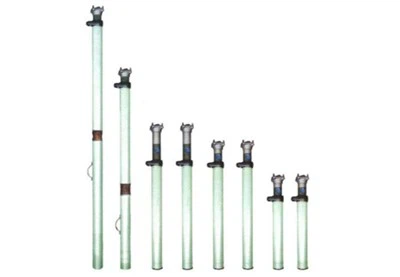

An emulsion pump is a crucial device widely used in various industries, especially in the mining and hydraulic systems. As a reliable emulsion pump supplier, I am often asked about the materials used in the different parts of an emulsion pump. Understanding the materials is essential as it directly impacts the performance, durability, and reliability of the pump. In this blog, I will delve into the common materials used for the key parts of an emulsion pump.


Pump Casing
The pump casing is the outer shell that encloses the internal components of the emulsion pump. It plays a vital role in protecting the internal parts from external damage and also provides a sealed environment for the fluid to flow. The most common material for pump casings is cast iron. Cast iron is known for its excellent strength, durability, and resistance to wear and corrosion. It can withstand high pressures and harsh operating conditions, making it an ideal choice for emulsion pumps.
Another material that is sometimes used for pump casings is stainless steel. Stainless steel offers superior corrosion resistance compared to cast iron, especially in applications where the emulsion contains corrosive substances. It is also more hygienic, which makes it suitable for food and beverage processing industries. However, stainless steel is more expensive than cast iron, so it is typically used in applications where the benefits outweigh the cost.
Pump Shaft
The pump shaft is responsible for transmitting the power from the motor to the impeller. It needs to be strong enough to withstand the torque and bending forces generated during operation. The most common material for pump shafts is carbon steel. Carbon steel has high strength and good machinability, which makes it easy to manufacture into the required shape. It is also relatively inexpensive, making it a cost-effective choice for most applications.
For applications where corrosion resistance is a concern, stainless steel shafts are used. Stainless steel shafts offer excellent resistance to corrosion, which extends the lifespan of the pump. They are commonly used in marine applications and in industries where the emulsion contains corrosive chemicals. In addition, some high-performance emulsion pumps use alloy steel shafts. Alloy steel shafts have enhanced strength and toughness, which allows them to operate at higher speeds and under more demanding conditions.
Impeller
The impeller is the rotating component of the emulsion pump that creates the flow of the emulsion. It needs to be designed and manufactured with materials that can withstand the high-speed rotation and the forces exerted by the fluid. The most common material for impellers is cast aluminum alloy. Cast aluminum alloy is lightweight, which reduces the inertia of the impeller and allows the pump to start and stop quickly. It also has good corrosion resistance and is relatively easy to cast into complex shapes.
In applications where higher strength and wear resistance are required, bronze impellers are used. Bronze has excellent wear resistance and can withstand the abrasive particles in the emulsion. It is commonly used in mining applications where the emulsion contains a large amount of solid particles. For high-pressure applications, stainless steel impellers are preferred. Stainless steel impellers have high strength and can withstand the high pressures generated by the pump.
Seals
Seals are used to prevent the leakage of the emulsion from the pump. They play a critical role in maintaining the efficiency and reliability of the pump. The most common material for seals is rubber. Rubber seals are flexible and can conform to the shape of the mating surfaces, providing a tight seal. They are also resistant to a wide range of chemicals and can withstand high temperatures.
For applications where higher temperature and chemical resistance are required, PTFE (polytetrafluoroethylene) seals are used. PTFE has excellent chemical resistance and can withstand temperatures up to 260°C. It is commonly used in chemical processing industries and in applications where the emulsion contains aggressive chemicals. In addition, some seals are made of composite materials, which combine the properties of different materials to provide enhanced performance.
Valves
Valves are used to control the flow of the emulsion in the pump. They need to be made of materials that can withstand the pressure and the corrosive nature of the emulsion. The most common material for valves is brass. Brass has good corrosion resistance and is relatively easy to machine. It is commonly used in low-pressure applications.
For high-pressure applications, stainless steel valves are used. Stainless steel valves have high strength and can withstand the high pressures generated by the pump. They are also resistant to corrosion, which makes them suitable for applications where the emulsion contains corrosive substances. In addition, some valves are made of ceramic materials. Ceramic valves offer excellent wear resistance and can withstand the abrasive particles in the emulsion. They are commonly used in mining applications.
Importance of Material Selection
The selection of the materials for the parts of an emulsion pump is crucial for its performance and reliability. Using the right materials can ensure that the pump operates efficiently, has a long lifespan, and requires minimal maintenance. On the other hand, using the wrong materials can lead to premature failure of the pump, increased downtime, and higher maintenance costs.
As an emulsion pump supplier, we understand the importance of material selection. We work closely with our customers to understand their specific requirements and recommend the most suitable materials for their applications. We also use advanced manufacturing processes and quality control measures to ensure that our pumps are made with high-quality materials and meet the highest standards of performance and reliability.
Conclusion
In conclusion, the parts of an emulsion pump are typically made of a variety of materials, each chosen for its specific properties and suitability for the application. The pump casing is commonly made of cast iron or stainless steel, the pump shaft is usually made of carbon steel, stainless steel, or alloy steel, the impeller is often made of cast aluminum alloy, bronze, or stainless steel, the seals are typically made of rubber or PTFE, and the valves are commonly made of brass, stainless steel, or ceramic.
If you are in the market for an emulsion pump or need more information about the materials used in our pumps, please feel free to [initiate a conversation with us]. We are committed to providing you with the best products and services to meet your needs. Whether you are looking for an Emulsion Pump Station, a BRW Pumping Station for Mining, or a High Pressure Hydraulic Pressure Emulsion Pump, we have the expertise and experience to help you make the right choice.
References
- ASM Handbook, Volume 1: Properties and Selection: Irons, Steels, and High-Performance Alloys
- Perry's Chemical Engineers' Handbook
- Pump Handbook, Fourth Edition by Igor J. Karassik, Joseph P. Messina, Paul Cooper, and Charles C. Heald