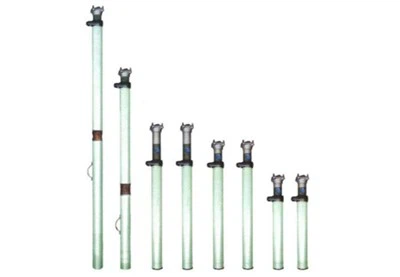

As a supplier of Coal Mine Emulsion Pump, I've encountered numerous cases where mine operators report abnormal noises from the emulsion pumps. These noises are not just mere annoyances; they often signal underlying issues that can compromise the pump's performance, efficiency, and even safety. In this blog post, I'll delve into the various factors that can cause a coal mine emulsion pump to make abnormal noises, providing insights and solutions to help you address these problems effectively.
Mechanical Wear and Tear
One of the most common causes of abnormal noises in coal mine emulsion pumps is mechanical wear and tear. Over time, the moving parts of the pump, such as pistons, cylinders, valves, and bearings, can experience friction, abrasion, and fatigue. This can lead to the development of rough surfaces, misalignments, and clearances, which in turn generate vibrations and noises.
- Piston and Cylinder Wear: The pistons and cylinders are critical components of the emulsion pump, responsible for generating the pressure required to deliver the emulsion fluid. As the pistons reciprocate within the cylinders, they can wear down the cylinder walls, creating grooves and uneven surfaces. This can cause the pistons to move erratically, resulting in knocking or rattling noises. Additionally, worn piston rings can allow emulsion fluid to leak past the pistons, reducing the pump's efficiency and causing further noise.
- Valve Issues: The valves in the emulsion pump control the flow of emulsion fluid into and out of the cylinders. Over time, the valve seats and discs can wear down, leading to improper sealing and leakage. This can cause a hissing or whistling noise as the fluid escapes past the valves. In some cases, the valves may become stuck or jammed, preventing them from opening or closing properly. This can result in a loud banging or thumping noise as the pump tries to force the fluid through the blocked valves.
- Bearing Failure: The bearings in the emulsion pump support the rotating shafts and reduce friction. If the bearings are not properly lubricated or are subjected to excessive loads, they can wear out prematurely. This can cause the shafts to vibrate and generate a grinding or screeching noise. In severe cases, the bearings may fail completely, leading to catastrophic damage to the pump.
Fluid-Related Problems
The quality and properties of the emulsion fluid used in the coal mine emulsion pump can also have a significant impact on its performance and noise levels.
- Contaminated Fluid: If the emulsion fluid contains dirt, debris, or other contaminants, it can cause abrasion and damage to the pump's internal components. This can lead to increased wear and tear, as well as abnormal noises. Additionally, contaminated fluid can cause the valves to stick or clog, reducing the pump's efficiency and causing further noise.
- Incorrect Viscosity: The viscosity of the emulsion fluid is crucial for proper pump operation. If the fluid is too thick, it can cause the pump to work harder, leading to increased noise and energy consumption. On the other hand, if the fluid is too thin, it can cause leakage and reduced pressure, resulting in a whining or humming noise.
- Air Entrainment: Air entrainment occurs when air bubbles are introduced into the emulsion fluid. This can happen if the fluid level in the reservoir is too low, if there are leaks in the suction line, or if the pump is operating at high speeds. Air bubbles can cause cavitation, which is the formation and collapse of vapor bubbles in the fluid. Cavitation can cause a loud popping or crackling noise, as well as damage to the pump's internal components.
Installation and Alignment Issues
Proper installation and alignment of the coal mine emulsion pump are essential for its smooth operation and quiet performance.


- Improper Mounting: If the pump is not mounted securely or is not level, it can cause vibrations and noise. The pump should be installed on a solid, flat surface and should be properly bolted down to prevent movement. Additionally, the pump should be aligned with the motor and other components to ensure that the shafts are parallel and the couplings are properly engaged.
- Misaligned Shafts: If the shafts of the pump and the motor are not properly aligned, it can cause excessive stress on the bearings and couplings, leading to premature wear and noise. The shafts should be aligned within the manufacturer's specified tolerances using a laser alignment tool or other appropriate method.
- Loose or Damaged Components: During installation or operation, the components of the emulsion pump can become loose or damaged. This can include bolts, nuts, couplings, and hoses. Loose components can vibrate and generate noise, while damaged components can cause the pump to malfunction and produce abnormal noises.
Operational Factors
The way the coal mine emulsion pump is operated can also contribute to abnormal noises.
- Overloading: If the pump is operated at a higher pressure or flow rate than its rated capacity, it can cause excessive stress on the internal components, leading to increased wear and noise. Overloading can also cause the pump to overheat, which can further damage the components and reduce the pump's lifespan.
- Sudden Start-Stop Cycles: Frequent or sudden start-stop cycles can cause the pump to experience shock loads, which can damage the internal components and generate noise. It is recommended to allow the pump to warm up gradually before starting and to avoid sudden stops whenever possible.
- Incorrect Speed: The speed at which the emulsion pump operates can affect its noise levels. If the pump is operated at a speed that is too high or too low, it can cause the internal components to vibrate and generate noise. The pump should be operated at the speed specified by the manufacturer for optimal performance and quiet operation.
Solutions and Preventive Measures
To address the issues causing abnormal noises in the coal mine emulsion pump, the following solutions and preventive measures can be taken:
- Regular Maintenance: Regular maintenance is essential for keeping the emulsion pump in good working condition. This includes inspecting and cleaning the pump's internal components, replacing worn parts, and lubricating the bearings. It is recommended to follow the manufacturer's maintenance schedule and guidelines to ensure that the pump is properly maintained.
- Fluid Management: The quality and properties of the emulsion fluid should be monitored regularly to ensure that it meets the manufacturer's specifications. This includes checking the fluid level, viscosity, and contamination levels. If the fluid is contaminated, it should be replaced immediately. Additionally, proper filtration should be used to remove any dirt, debris, or other contaminants from the fluid.
- Proper Installation and Alignment: The emulsion pump should be installed and aligned correctly to ensure smooth operation and quiet performance. This includes using a solid mounting surface, aligning the shafts within the specified tolerances, and tightening all bolts and nuts to the correct torque.
- Operational Best Practices: The pump should be operated within its rated capacity and at the recommended speed. Sudden start-stop cycles should be avoided, and the pump should be allowed to warm up gradually before starting. Additionally, the pump should be monitored regularly for any signs of abnormal noises or performance issues.
Conclusion
Abnormal noises in a coal mine emulsion pump can be caused by a variety of factors, including mechanical wear and tear, fluid-related problems, installation and alignment issues, and operational factors. By understanding these causes and taking appropriate solutions and preventive measures, you can ensure that your emulsion pump operates smoothly and quietly, reducing downtime and maintenance costs.
If you are experiencing abnormal noises in your coal mine emulsion pump or have any other questions or concerns about our BRW Emulsion Pumping Mining or High Pressure Hydraulic Pressure Emulsion Pump products, please feel free to contact us. Our team of experts is available to provide you with technical support and assistance to help you resolve any issues and optimize the performance of your emulsion pump.
References
- Manufacturer's manuals and technical documentation for coal mine emulsion pumps.
- Industry standards and guidelines for the operation and maintenance of coal mine equipment.
- Technical articles and research papers on emulsion pump technology and troubleshooting.