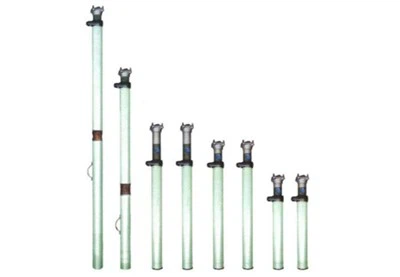

When it comes to Hinged Top Beam DJBs, one of the most frequently asked questions is about the available sizes. As a trusted supplier of Hinged Top Beam DJBs, I understand the importance of providing detailed information about size options to our potential customers. In this blog, I will delve into the various sizes available for a Hinged Top Beam DJB, their applications, and how to choose the right size for your specific needs.
Standard Sizes of Hinged Top Beam DJBs
Hinged Top Beam DJBs are available in a wide range of standard sizes to meet the diverse requirements of different industries, especially in mining and tunneling applications. The sizes are typically defined by their length, width, and height, as well as the thickness of the steel used in their construction.
Length
The length of a Hinged Top Beam DJB can vary significantly, usually ranging from 1.2 meters to 3.6 meters. Shorter beams, such as those around 1.2 - 1.8 meters, are often used in areas where space is limited or where a more precise support structure is required. For example, in narrow tunnels or small mining galleries, shorter beams can be easily maneuvered and installed.
On the other hand, longer beams, in the range of 2.4 - 3.6 meters, are suitable for larger open - pit mines or wide - span tunnels. They provide greater coverage and can support heavier loads, reducing the number of beams needed per unit area and thus lowering installation time and cost.
Width and Height
The width and height of Hinged Top Beam DJBs also vary according to the specific application. Generally, the width can range from 100 mm to 200 mm, while the height can be between 80 mm and 150 mm. Wider and taller beams are designed to carry higher loads, making them ideal for applications where heavy overburden or dynamic loading is expected. For instance, in coal mines with thick coal seams or in areas with high in - situ stress, wider and taller beams can provide better support and stability.
Thickness of Steel
The thickness of the steel used in Hinged Top Beam DJBs is another crucial factor that determines the beam's strength and durability. Common steel thicknesses range from 6 mm to 12 mm. Thicker steel beams are more robust and can withstand greater forces, but they are also heavier and more expensive. Therefore, the choice of steel thickness depends on the expected load and the environmental conditions of the application.
Custom - Made Sizes
In addition to standard sizes, we also offer custom - made Hinged Top Beam DJBs to meet the unique requirements of our customers. If the standard sizes do not fit your specific project needs, our experienced engineering team can design and manufacture beams with custom lengths, widths, heights, and steel thicknesses.
Custom - made beams are often required in special mining or tunneling projects with non - standard dimensions or specific load - bearing requirements. For example, if you are working on a mining project in a region with unique geological conditions where the standard beams may not provide sufficient support, our custom - made solutions can be tailored to your exact specifications.
Applications of Different Sizes
Shorter Beams
Short Hinged Top Beam DJBs are commonly used in the following applications:


- Small - scale Mining Operations: In small underground mines or artisanal mining sites, where the working space is limited, shorter beams are easier to transport and install. They can provide effective support for the roof and sidewalls without taking up too much space.
- Tunnel Reinforcement in Urban Areas: When tunnels are being constructed in urban areas, there may be limitations on the size of the construction equipment and the available space. Shorter beams can be used to reinforce the tunnel structure during the construction process, minimizing the disruption to the surrounding environment.
Longer Beams
Longer Hinged Top Beam DJBs are widely used in:
- Large - scale Open - Pit Mines: In open - pit mining, where the scales are large and the roof spans are wide, longer beams can cover a larger area and support heavier loads. They help to improve the overall stability of the mining area and reduce the risk of roof collapses.
- Major Tunnel Projects: For large - diameter tunnels, such as those used for high - speed railways or subway systems, longer beams are necessary to ensure the safety and stability of the tunnel roof. They can withstand the high pressure from the overlying soil and rock layers.
Choosing the Right Size
Choosing the right size of Hinged Top Beam DJB is crucial for the success of your project. Here are some factors to consider:
- Load Requirements: Calculate the expected load that the beam will need to support, including the weight of the overburden, dynamic loads from mining equipment, and any additional forces. Based on this calculation, select a beam with a suitable strength capacity, which is related to its size and steel thickness.
- Space Constraints: Consider the available space in your project area. If the space is limited, shorter and narrower beams may be more appropriate. On the other hand, if there is enough space, longer beams can be used to reduce the number of supports.
- Environmental Conditions: The environmental conditions, such as the humidity, temperature, and chemical composition of the soil or rock, can affect the durability of the beams. Choose a beam with appropriate steel thickness and protective coatings to ensure its long - term performance.
Comparison with Other Beam Types
When considering using Hinged Top Beam DJBs, it's also worth comparing them with other types of beams, such as Non - hinged Top Beam, π Type Steel Girder, and Articulated Roof Beams Mine Supporting.
Non - hinged Top Beams are generally more rigid and may be more suitable for applications where a fixed support structure is required. However, they lack the flexibility of Hinged Top Beam DJBs, which can be adjusted to adapt to different roof geometries.
π Type Steel Girders are known for their high strength and load - bearing capacity. They are often used in large - scale construction projects. However, they may be more expensive and heavier than Hinged Top Beam DJBs, which can make them less suitable for some small - scale or space - constrained applications.
Articulated Roof Beams Mine Supporting is designed specifically for mining applications. They share some similarities with Hinged Top Beam DJBs in terms of flexibility, but the design and size options may vary depending on the specific requirements of the mine.
Conclusion
In conclusion, Hinged Top Beam DJBs are available in a wide range of standard sizes, and we also offer custom - made solutions to meet your unique needs. The choice of size depends on various factors, including load requirements, space constraints, and environmental conditions. By understanding the available sizes and their applications, you can make an informed decision when selecting the right Hinged Top Beam DJB for your project.
If you are interested in purchasing Hinged Top Beam DJBs or have any questions about our products, please feel free to contact us for a detailed discussion. Our team of experts is always ready to provide you with professional advice and support to ensure the success of your project.
References
- Mining Engineering Handbook, various editions
- Journal of Rock Mechanics and Geotechnical Engineering
- Industry standards and guidelines for mine support systems