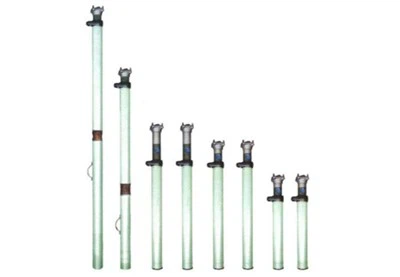

As a supplier of Double Wedge Top Beam DJBS, I am often asked about the hardness of this essential mining equipment. Understanding the hardness of the Double Wedge Top Beam DJBS is crucial for its performance, durability, and overall effectiveness in the mining industry. In this blog post, I will delve into the concept of hardness, its significance for the Double Wedge Top Beam DJBS, and the factors that influence it.
What is Hardness?
Hardness is a fundamental material property that refers to a material's resistance to permanent deformation, such as indentation, scratching, or abrasion. In the context of the Double Wedge Top Beam DJBS, hardness plays a vital role in determining its ability to withstand the harsh conditions and heavy loads encountered in mining operations. A harder beam is generally more resistant to wear and tear, ensuring a longer service life and reduced maintenance costs.
There are several methods for measuring hardness, each suitable for different materials and applications. The most common hardness tests include the Brinell hardness test, the Rockwell hardness test, and the Vickers hardness test. These tests involve applying a specific load to the material's surface using a calibrated indenter and measuring the size of the resulting indentation. The hardness value is then calculated based on the load and the indentation size.


Significance of Hardness for the Double Wedge Top Beam DJBS
The hardness of the Double Wedge Top Beam DJBS is of utmost importance for several reasons. Firstly, in a mining environment, the beams are subjected to significant stress and wear. They support the roof of the mine, which can exert large amounts of pressure due to the weight of the overlying rock. A beam with sufficient hardness can resist deformation under these loads, preventing structural failure and ensuring the safety of the miners and the integrity of the mine.
Secondly, the Double Wedge Top Beam DJBS is often in contact with abrasive materials such as rocks and coal. Harder beams are better able to withstand abrasion, which can lead to a reduction in thickness and strength over time. By maintaining its hardness, the beam can maintain its structural properties and perform its function effectively throughout its service life.
Thirdly, the hardness of the beam can affect its ability to conform to the uneven surfaces of the mine roof. A beam with the right level of hardness can be adjusted to fit the irregularities of the roof, providing better support and stability. This is particularly important in mines where the roof conditions are variable.
Factors Influencing the Hardness of the Double Wedge Top Beam DJBS
Several factors can influence the hardness of the Double Wedge Top Beam DJBS. One of the primary factors is the material composition. The beams are typically made from high - strength steel alloys, and the specific elements and their proportions in the alloy can have a significant impact on hardness. For example, the addition of carbon can increase the hardness of steel, but too much carbon can make the material brittle. Other alloying elements such as manganese, chromium, and nickel can also be used to enhance hardness and other mechanical properties.
The manufacturing process also plays a crucial role in determining the hardness of the beams. Heat treatment is a common method used to modify the hardness of steel. Processes such as quenching and tempering can be used to increase the hardness of the beam while maintaining its toughness. Quenching involves rapidly cooling the heated steel to transform its microstructure and increase hardness, while tempering is used to relieve internal stresses and improve ductility.
The quality control measures during manufacturing also affect the hardness of the Double Wedge Top Beam DJBS. Precise control of the manufacturing parameters, such as temperature, time, and cooling rate, is essential to ensure consistent hardness throughout the beam. Any variations in these parameters can lead to differences in hardness, which can affect the performance and reliability of the beam.
Achieving the Optimal Hardness for the Double Wedge Top Beam DJBS
As a supplier, we strive to achieve the optimal hardness for our Double Wedge Top Beam DJBS. This involves careful selection of the material, precise control of the manufacturing process, and rigorous quality testing.
We source high - quality steel alloys from reputable suppliers and conduct thorough chemical analysis to ensure that the material composition meets our specifications. Our manufacturing team uses advanced heat treatment equipment and techniques to precisely control the hardness of the beams. During the manufacturing process, we closely monitor and adjust the parameters to ensure consistency.
After production, each Double Wedge Top Beam DJBS undergoes multiple hardness tests using state - of - the - art equipment. This allows us to verify that the beam meets the required hardness standards. Only beams that pass our strict quality control tests are released for sale.
Comparison with Other Related Products
In the mining industry, there are other types of top beams available, such as the Hinged Top Beam DIC, Cross Roof Beam For Mining, and Hinged Top Beam. While these products serve similar purposes, the Double Wedge Top Beam DJBS offers unique advantages in terms of hardness and performance.
The double - wedge design of the DJBS provides better load - distribution and stability compared to some hinged top beams. This design, combined with the appropriate hardness, allows the beam to handle heavy loads more effectively. Additionally, the hardness of the DJBS is optimized to resist wear in the harsh mining environment, which may not be achievable with some other products.
Conclusion
The hardness of the Double Wedge Top Beam DJBS is a critical factor that determines its performance, durability, and safety in mining operations. By understanding the concept of hardness, the factors that influence it, and the importance of achieving the optimal hardness, miners can make informed decisions when selecting top beams for their mines.
As a supplier of Double Wedge Top Beam DJBS, we are committed to providing high - quality products that meet the strictest industry standards. Our comprehensive quality control measures ensure that each beam we supply has the right level of hardness to withstand the tough conditions of the mining environment.
If you are interested in purchasing Double Wedge Top Beam DJBS for your mining operations, we invite you to contact us for a detailed discussion. Our team of experts is ready to provide you with more information, answer your questions, and discuss your specific requirements. We look forward to partnering with you to meet your mining equipment needs.
References
- Callister, W. D., & Rethwisch, D. G. (2018). Materials Science and Engineering: An Introduction. Wiley.
-ASM Handbooks Committee. (2000). ASM Handbook Volume 4: Heat Treating. ASM International.