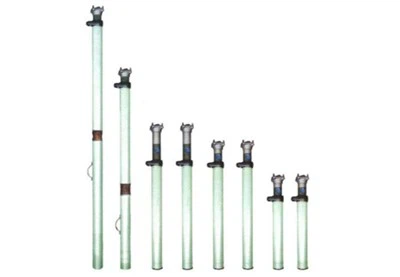

In the field of mining, BRW emulsion pumping systems play a crucial role in ensuring the efficient and safe operation of mining equipment. As a trusted supplier of BRW emulsion pumping mining solutions, I understand the importance of having reliable monitoring systems in place. This blog post will explore the various monitoring systems used for BRW emulsion pumping mining, highlighting their significance and how they contribute to the overall performance of the mining operations.


Importance of Monitoring Systems in BRW Emulsion Pumping Mining
BRW emulsion pumping systems are designed to provide high - pressure hydraulic power to support various mining activities, such as the operation of hydraulic supports in coal mines. These systems are often subject to harsh operating conditions, including high pressures, abrasive materials, and continuous operation. Monitoring systems are essential for several reasons:
- Safety: Ensuring the safety of miners is the top priority. Monitoring systems can detect potential issues such as leaks, over - pressure, or abnormal temperatures, which could lead to equipment failure or safety hazards. By providing early warnings, these systems allow for timely maintenance and preventive actions to be taken.
- Efficiency: Efficient operation of the BRW emulsion pumping system is crucial for maximizing productivity. Monitoring systems can track parameters such as flow rate, pressure, and power consumption. This data can be used to optimize the system's performance, reduce energy consumption, and minimize downtime.
- Equipment Longevity: Regular monitoring helps in identifying wear and tear on components early. By addressing these issues promptly, the lifespan of the BRW emulsion pumping system can be extended, reducing the need for costly replacements.
Types of Monitoring Systems for BRW Emulsion Pumping Mining
Pressure Monitoring
Pressure is one of the most critical parameters in a BRW emulsion pumping system. High - pressure hydraulic systems are used to power the hydraulic supports in mines, and maintaining the correct pressure is essential for their proper operation.
- Pressure Sensors: These sensors are installed at various points in the pumping system, including the pump outlet, the distribution lines, and the hydraulic supports. They continuously measure the pressure and transmit the data to a control unit. If the pressure exceeds or falls below the pre - set limits, an alarm can be triggered. For example, in a BRW Pumping Station for Mining, pressure sensors can ensure that the hydraulic power is delivered at the correct pressure to the mining equipment.
- Pressure Transmitters: Pressure transmitters convert the pressure readings into electrical signals that can be easily processed and displayed. They are more accurate and reliable than simple pressure gauges and can be integrated with the overall monitoring and control system of the mining operation.
Flow Monitoring
Flow rate is another important parameter that needs to be monitored in a BRW emulsion pumping system. It indicates the amount of emulsion being pumped through the system and is directly related to the performance of the mining equipment.
- Flow Meters: There are different types of flow meters available, such as electromagnetic flow meters, ultrasonic flow meters, and turbine flow meters. These meters are installed in the emulsion supply lines to measure the flow rate. By monitoring the flow rate, operators can ensure that the correct amount of emulsion is being delivered to the hydraulic supports. For instance, in a Coal Mine Emulsion Pump, a flow meter can help in maintaining the proper flow of emulsion to support the coal - cutting and support operations.
- Flow Switches: Flow switches are used to detect if the flow rate falls below a certain threshold. They can be used as a safety measure to shut down the pumping system in case of a blockage or a malfunction in the emulsion supply.
Temperature Monitoring
High temperatures can cause damage to the components of the BRW emulsion pumping system, such as seals, gaskets, and pumps. Monitoring the temperature is essential to prevent overheating and ensure the long - term reliability of the system.
- Temperature Sensors: Temperature sensors are placed at critical points in the pumping system, such as the pump motor, the emulsion reservoir, and the hydraulic cylinders. These sensors can detect any abnormal temperature rises and send an alert to the control room. For example, in a High Pressure Hydraulic Pressure Emulsion Pump, temperature sensors can prevent the pump from overheating due to excessive friction or a malfunction in the cooling system.
- Thermocouples and RTDs: Thermocouples and Resistance Temperature Detectors (RTDs) are commonly used temperature - sensing devices. They are highly accurate and can provide real - time temperature data, which can be used for process control and maintenance planning.
Vibration Monitoring
Vibration can be an indicator of mechanical problems in the BRW emulsion pumping system, such as misalignment, bearing wear, or loose components. Monitoring vibration levels can help in detecting these issues early and preventing major breakdowns.
- Vibration Sensors: These sensors are attached to the pump and other rotating components of the system. They measure the vibration amplitude, frequency, and direction. By analyzing the vibration data, engineers can identify the source of the problem and take corrective actions. For example, if a vibration sensor detects excessive vibration in the pump, it could indicate a worn - out bearing that needs to be replaced.
Emulsion Quality Monitoring
The quality of the emulsion used in the BRW pumping system is crucial for its performance. Contaminated or degraded emulsion can cause damage to the equipment and reduce its efficiency.
- Conductivity Sensors: Conductivity sensors are used to measure the concentration of the emulsion in the water. Maintaining the correct emulsion concentration is essential for the proper lubrication and corrosion protection of the hydraulic components.
- Particle Counters: Particle counters can detect the presence of solid particles in the emulsion. These particles can cause abrasion and damage to the pumps and valves. By monitoring the particle count, operators can take steps to filter the emulsion and prevent equipment damage.
Integration of Monitoring Systems
Modern monitoring systems for BRW emulsion pumping mining are often integrated into a single control and monitoring platform. This allows for centralized data collection, analysis, and control.
- SCADA Systems: Supervisory Control and Data Acquisition (SCADA) systems are commonly used in mining operations to monitor and control the BRW emulsion pumping system. These systems can collect data from all the monitoring sensors, display it on a central screen, and allow operators to control the system remotely. For example, an operator can adjust the pump speed or open/close valves based on the real - time data received from the monitoring sensors.
- Data Analytics: With the help of advanced data analytics tools, the data collected from the monitoring systems can be analyzed to identify trends, predict equipment failures, and optimize the system's performance. Machine learning algorithms can be used to analyze large amounts of data and provide valuable insights for maintenance and operation planning.
Conclusion
Monitoring systems are an integral part of BRW emulsion pumping mining. They ensure the safety, efficiency, and longevity of the pumping system by continuously monitoring critical parameters such as pressure, flow, temperature, vibration, and emulsion quality. As a supplier of BRW emulsion pumping mining solutions, we are committed to providing our customers with the latest and most reliable monitoring systems.
If you are in the mining industry and are looking for high - quality BRW emulsion pumping systems and advanced monitoring solutions, we invite you to contact us for a detailed discussion. Our team of experts can help you select the right monitoring systems for your specific mining requirements and provide you with comprehensive support throughout the installation and operation process. Let's work together to improve the performance and safety of your mining operations.
References
- "Mining Hydraulic Systems: Design, Operation, and Maintenance" by John Smith
- "Industrial Monitoring and Control Systems" by Jane Doe
- Technical manuals and specifications provided by BRW for their emulsion pumping systems.