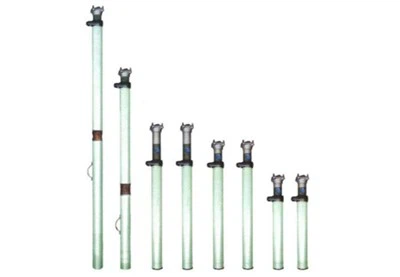

Maintaining an emulsion pump station is crucial for ensuring its efficient and reliable operation, especially in industries such as mining where these stations play a vital role in providing the necessary hydraulic power. As a supplier of emulsion pump stations, I understand the significance of proper maintenance and am here to share some valuable insights on how to keep these stations in top - notch condition.
Understanding the Emulsion Pump Station
Before delving into maintenance, it's essential to have a basic understanding of what an emulsion pump station is. An emulsion pump station typically consists of an emulsion pump, a motor, a control system, and an emulsion tank. The pump is responsible for pressurizing the emulsion, which is a mixture of oil and water, to provide hydraulic power for various equipment. The motor drives the pump, while the control system regulates the operation of the pump and monitors key parameters. The emulsion tank stores the emulsion and ensures a continuous supply to the pump.
Regular Inspections
Regular inspections are the cornerstone of emulsion pump station maintenance. These inspections should be carried out on a daily, weekly, and monthly basis to detect any potential issues early.
Daily Inspections
- Visual Checks: Check the overall appearance of the pump station for any signs of leaks, loose connections, or damage. Inspect the hoses, pipes, and fittings for cracks or wear.
- Fluid Levels: Monitor the emulsion level in the tank. A low level may indicate a leak or excessive consumption. Also, check the oil level in the pump's gearbox if applicable.
- Temperature and Noise: Feel the motor and pump for excessive heat. Listen for any abnormal noises, which could indicate mechanical problems such as worn bearings or misaligned components.
Weekly Inspections
- Filter Checks: Inspect the filters in the system. Clogged filters can restrict the flow of emulsion and cause the pump to work harder, leading to premature wear. Replace the filters if they are dirty or damaged.
- Belt Tension: If the pump is driven by a belt, check the belt tension. A loose belt can slip, reducing the pump's efficiency, while an overly tight belt can cause excessive wear on the bearings.
- Electrical Connections: Examine the electrical connections for signs of corrosion, loose wires, or overheating. Tighten any loose connections and clean the terminals if necessary.
Monthly Inspections
- Pressure Testing: Use a pressure gauge to check the output pressure of the pump. Compare the reading with the manufacturer's specifications. A significant deviation may indicate a problem with the pump or the control system.
- Valve Functionality: Test the valves in the system, including relief valves and check valves. Ensure that they are operating correctly and are not stuck open or closed.
- Component Wear: Inspect the pump's pistons, cylinders, and seals for signs of wear. Replace any worn components to prevent leaks and loss of pressure.
Proper Fluid Management
The emulsion used in the pump station is a critical component, and proper fluid management is essential for its longevity and performance.
Emulsion Quality
- Mixing Ratio: Ensure that the emulsion is mixed at the correct ratio of oil to water. An improper ratio can affect the lubrication and cooling properties of the emulsion, leading to increased wear on the pump components.
- Contamination Control: Keep the emulsion free from contaminants such as dirt, metal particles, and water. Use filters and separators to remove impurities from the emulsion. Regularly test the emulsion for contamination levels and replace it if necessary.
Fluid Replacement
- Scheduled Changes: Follow the manufacturer's recommendations for emulsion replacement intervals. Over time, the emulsion can break down and lose its effectiveness, so regular replacement is necessary to maintain optimal performance.
- Flushing the System: When replacing the emulsion, flush the entire system to remove any old emulsion and contaminants. This helps to prevent cross - contamination and ensures that the new emulsion works effectively.
Lubrication
Proper lubrication is essential for the smooth operation of the pump station's moving parts.
Gearbox Lubrication
- Oil Selection: Use the recommended type of oil for the pump's gearbox. Different gearboxes may require different viscosities and additives, so it's important to follow the manufacturer's guidelines.
- Oil Change Intervals: Replace the gearbox oil at regular intervals. Over time, the oil can become contaminated with metal particles and lose its lubricating properties, leading to increased friction and wear.
Bearing Lubrication
- Greasing: Some bearings in the pump station may require greasing. Use the appropriate type of grease and follow the recommended greasing intervals. Over - greasing or under - greasing can both cause problems for the bearings.
Training and Operator Awareness
Well - trained operators are key to the proper maintenance of an emulsion pump station.


Operator Training
- System Knowledge: Provide operators with comprehensive training on the operation and maintenance of the emulsion pump station. They should understand how the system works, the importance of regular inspections, and how to troubleshoot common problems.
- Safety Procedures: Train operators on safety procedures, such as how to handle the emulsion safely and how to shut down the system in case of an emergency.
Operator Awareness
- Monitoring and Reporting: Encourage operators to monitor the pump station closely during operation and report any unusual observations immediately. Early detection of problems can prevent major breakdowns and costly repairs.
Troubleshooting
Despite regular maintenance, problems may still occur with the emulsion pump station. Here are some common issues and their possible solutions:
Low Pressure
- Possible Causes: Clogged filters, worn pump components, a leak in the system, or a malfunctioning control valve.
- Solutions: Check and replace the filters, inspect and replace worn components, locate and repair any leaks, and test and adjust the control valve.
Excessive Noise
- Possible Causes: Misaligned components, worn bearings, or cavitation in the pump.
- Solutions: Realign the components, replace the worn bearings, and check the suction conditions to prevent cavitation.
Leaks
- Possible Causes: Loose connections, damaged seals, or cracked pipes.
- Solutions: Tighten the connections, replace the seals, and repair or replace the cracked pipes.
Conclusion
Maintaining an emulsion pump station requires a combination of regular inspections, proper fluid management, lubrication, operator training, and effective troubleshooting. By following these guidelines, you can ensure the reliable and efficient operation of your emulsion pump station, reducing downtime and extending its service life.
If you are in the market for a high - quality emulsion pump station or need further advice on maintenance, we are here to help. Our Emulsion Pump Station is designed to meet the demanding requirements of various industries, including mining. We also offer the BRW Pumping Station for Mining and Coal Mine Emulsion Pump, which are known for their durability and performance. Contact us to start a procurement discussion and find the best solution for your needs.
References
- Manufacturer's manuals for emulsion pump stations
- Industry standards and best practices for hydraulic systems maintenance