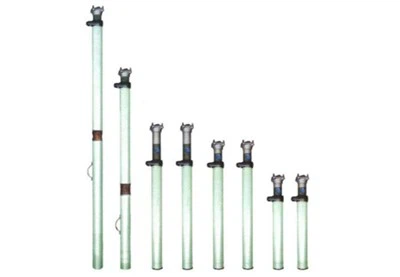

As a seasoned supplier of coal mine emulsion pumps, I've witnessed firsthand the critical role these machines play in the mining industry. Emulsion pumps are essential for providing the hydraulic power needed to operate various mining equipment, ensuring the smooth and efficient extraction of coal. However, like any mechanical equipment, emulsion pumps require regular maintenance to perform optimally and avoid costly breakdowns. In this blog post, I'll share my insights on how often a coal mine emulsion pump should be maintained, based on my years of experience in the field.


Understanding the Importance of Maintenance
Before delving into the maintenance schedule, it's crucial to understand why regular maintenance is so important for coal mine emulsion pumps. These pumps operate in harsh environments, exposed to dust, dirt, and high levels of vibration. Over time, these factors can cause wear and tear on the pump's components, leading to reduced performance, increased energy consumption, and even complete failure.
Regular maintenance helps to prevent these issues by identifying and addressing potential problems before they become major issues. By keeping the pump clean, lubricated, and properly adjusted, you can extend its lifespan, improve its efficiency, and reduce the risk of unexpected breakdowns. This not only saves you money on repairs and downtime but also ensures the safety of your workers and the productivity of your mining operations.
Factors Affecting Maintenance Frequency
The frequency of maintenance for a coal mine emulsion pump depends on several factors, including the type of pump, its operating conditions, and the manufacturer's recommendations. Here are some of the key factors to consider:
- Type of Pump: Different types of emulsion pumps have different maintenance requirements. For example, piston pumps typically require more frequent maintenance than diaphragm pumps due to their more complex design and higher number of moving parts.
- Operating Conditions: The operating conditions of the pump, such as the temperature, humidity, and level of contamination in the environment, can also affect the maintenance frequency. Pumps operating in harsh environments may require more frequent maintenance to prevent damage from dust, dirt, and corrosion.
- Manufacturer's Recommendations: The manufacturer of the emulsion pump will typically provide a recommended maintenance schedule based on the pump's design and specifications. It's important to follow these recommendations to ensure the pump operates safely and efficiently.
- Usage: The frequency of use of the pump can also affect the maintenance schedule. Pumps that are used more frequently may require more frequent maintenance to prevent wear and tear on the components.
General Maintenance Schedule
Based on my experience, I recommend the following general maintenance schedule for coal mine emulsion pumps:
-
Daily Maintenance:
- Check the oil level in the pump and add oil if necessary.
- Inspect the pump for any signs of leaks, such as oil or emulsion leaks.
- Check the pressure gauge to ensure the pump is operating at the correct pressure.
- Clean the pump and surrounding area to remove any dust, dirt, or debris.
-
Weekly Maintenance:
- Check the belt tension and adjust if necessary.
- Inspect the pump's hoses and connections for any signs of damage or wear.
- Check the emulsion level in the tank and add emulsion if necessary.
- Run the pump for a few minutes to circulate the emulsion and check for any abnormal noises or vibrations.
-
Monthly Maintenance:
- Change the oil in the pump according to the manufacturer's recommendations.
- Inspect the pump's valves and seals for any signs of wear or damage.
- Clean the filter in the emulsion tank to remove any contaminants.
- Check the pump's electrical connections and wiring for any signs of damage or corrosion.
-
Quarterly Maintenance:
- Perform a comprehensive inspection of the pump, including the motor, bearings, and other components.
- Check the alignment of the pump and motor to ensure they are properly aligned.
- Test the pump's pressure relief valve to ensure it is functioning properly.
- Replace any worn or damaged components as needed.
-
Annual Maintenance:
- Have the pump serviced by a qualified technician to perform a thorough inspection and maintenance.
- Replace all the seals, gaskets, and other wear parts to ensure the pump is in good condition.
- Calibrate the pump's pressure gauge and other instruments to ensure accurate readings.
- Perform a performance test on the pump to ensure it is operating at the correct pressure and flow rate.
Specific Maintenance for Different Types of Pumps
In addition to the general maintenance schedule, different types of emulsion pumps may require specific maintenance procedures. Here are some examples:
-
Piston Pumps: Piston pumps typically require more frequent maintenance than diaphragm pumps due to their more complex design and higher number of moving parts. In addition to the general maintenance schedule, piston pumps may require the following specific maintenance procedures:
- Check the piston rings and cylinders for wear and replace them if necessary.
- Inspect the valve plates and seats for any signs of damage or wear.
- Lubricate the piston and cylinder walls to reduce friction and wear.
-
Diaphragm Pumps: Diaphragm pumps are generally more reliable and require less maintenance than piston pumps. However, they still require regular maintenance to ensure optimal performance. In addition to the general maintenance schedule, diaphragm pumps may require the following specific maintenance procedures:
- Check the diaphragm for any signs of damage or wear and replace it if necessary.
- Inspect the check valves for any signs of damage or wear and replace them if necessary.
- Clean the diaphragm chamber to remove any contaminants.
Importance of Using Genuine Parts
When performing maintenance on a coal mine emulsion pump, it's important to use genuine parts from the manufacturer. Genuine parts are designed to fit the pump perfectly and meet the manufacturer's specifications, ensuring optimal performance and reliability. Using non-genuine parts may void the pump's warranty and can also cause damage to the pump, leading to costly repairs and downtime.
Conclusion
Regular maintenance is essential for the safe and efficient operation of a coal mine emulsion pump. By following the recommended maintenance schedule and using genuine parts, you can extend the lifespan of the pump, improve its efficiency, and reduce the risk of unexpected breakdowns. If you have any questions or need further information about the maintenance of your emulsion pump, please don't hesitate to contact us. We're here to help you keep your pumps running smoothly and your mining operations productive.
If you're in the market for a new coal mine emulsion pump or need to replace an existing one, we offer a wide range of high-quality pumps to meet your needs. Our BRW Pumping Station for Mining is a reliable and efficient solution for providing hydraulic power in mining applications. We also offer High Pressure Hydraulic Pressure Emulsion Pump and Emulsion Pump Station options to suit different requirements.
Contact us today to learn more about our products and services and to discuss your specific needs. We look forward to working with you to ensure the success of your mining operations.
References
- Manufacturer's manuals for coal mine emulsion pumps
- Industry standards and best practices for pump maintenance
- Personal experience and expertise in the coal mining industry